
The Science of Nutritional Supplements for Athletes
Nutritional supplements for athletes are products designed to help active people meet the elevated energy and nutrient demands that intense training places on the body. If you want the short version, here’s what you need to know:
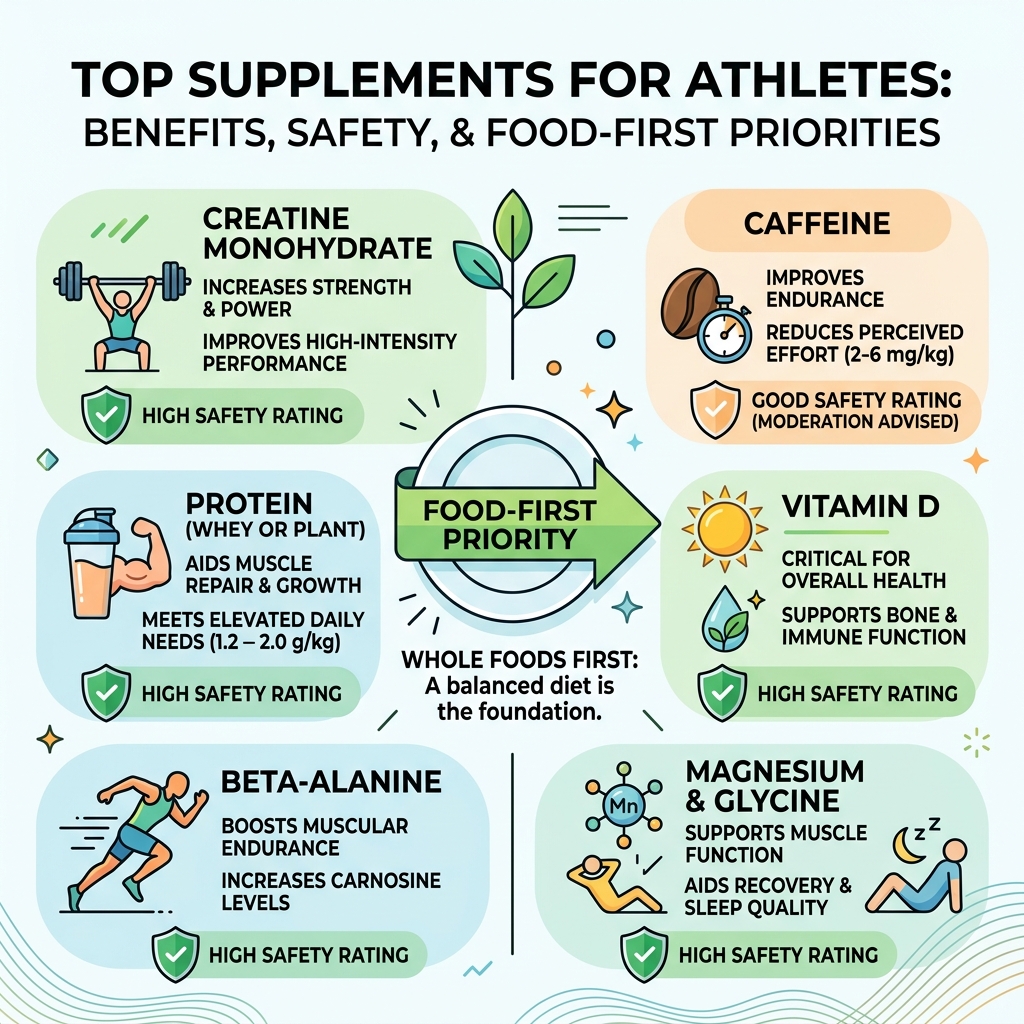
The most evidence-backed sports supplements are:
- Creatine monohydrate – boosts strength and power output in high-intensity exercise
- Caffeine – improves endurance and reduces perceived effort (2-6 mg/kg body weight)
- Beta-alanine – supports muscular endurance through increased muscle carnosine
- Protein (whey or plant-based) – aids muscle repair and growth (1.2-2.0 g/kg body weight daily)
- Vitamin D – critical for overall health, especially for athletes in low-sunlight regions
- Magnesium and glycine – support recovery and muscle function
But here’s the thing most supplement marketing won’t tell you: a balanced diet and proper hydration come first. Supplements fill gaps — they don’t replace good nutrition.
The sports supplement industry is enormous. Retail sales hit $5.67 billion in 2016 alone, and the numbers have only grown since. It’s no surprise that two-thirds of elite track and field athletes competing at world-championship level report using at least one dietary supplement. Among U.S. college athletes, over 41% use protein products and 14% use creatine.
With so much money and marketing involved, separating what actually works from what’s just hype can feel overwhelming — especially when some products carry real health risks.
This guide breaks it all down clearly, so you can make smart, safe choices.
Why Pros Use Nutritional Supplements for Athletes
In professional and elite sports, the margin between a gold medal and finishing off the podium can be measured in milliseconds or millimeters. This is why many athletes turn to nutritional supplements for athletes to bridge performance gaps. When we look at the data, the prevalence of supplement use among those at the top is staggering.
Research involving nearly 4,000 elite track and field athletes at world-championship competitions revealed that two-thirds were taking at least one dietary supplement. Why? Because at that level, the body’s demands for nutrient density often outpace what can be comfortably consumed through whole foods alone. Intense training schedules require rapid recovery speeds, and targeted supplements can provide the concentrated nutrients needed to repair muscle tissue and replenish energy stores like glycogen and ATP (adenosine triphosphate) quickly.
Furthermore, college-level data shows that 66% of students aged 16 or older in several U.S. universities use supplements, primarily citing muscle strength (20%) and performance enhancement (19%) as their main drivers. Whether it’s a professional sprinter or a dedicated college swimmer, the goal remains the same: optimizing the body’s biology to handle the stress of elite-level exertion.
Evidence-Based Performance Boosters: What Actually Works?
When we step away from the flashy marketing and look at the hard data, only a handful of supplements consistently stand up to scientific scrutiny. Organizations like the National Institutes of Health (NIH) and various sports medicine departments provide a clear picture of what works.
The most researched and effective “ergogenic aids” (performance enhancers) include:
- Creatine Monohydrate: The undisputed heavyweight champion of sports supplements. It increases the muscles’ stores of phosphocreatine, which is used to produce new ATP during high-intensity exercise.
- Caffeine: A powerful stimulant that lowers the “rate of perceived exertion.” In simple terms, it makes hard work feel easier.
- Beta-Alanine: An amino acid that helps buffer acid in the muscles, delaying the “burn” during high-intensity intervals.
- Protein: Whether from whey, casein, or plant-based sources like the Vega® Performance Protein + Creatine, protein is essential for muscle protein synthesis and repair.
For a deep dive into the clinical data, the Dietary Supplements for Exercise and Athletic Performance fact sheet provides an exhaustive look at how these ingredients interact with human physiology.
Scientific Research on Creatine and Caffeine
Let’s look closer at the “Big Two.”
Creatine isn’t just for bodybuilders. Scientific research shows it is highly effective for any athlete involved in high-intensity, intermittent activity—think sprinters, soccer players, or weightlifters. To see results, a common protocol is a “loading phase” of 20 grams per day (divided into four 5g doses) for 5–7 days, followed by a maintenance dose of 3–5 grams daily. Products like Creatine+ HMB | Strength, Recovery & Muscle Support combine this with HMB to further protect muscle tissue from breakdown.
Caffeine is perhaps the most widely used performance booster in the world. Research suggests that a dose of 2–6 mg per kg of body weight, taken about 60 minutes before exercise, can significantly improve endurance and team sport performance. It works primarily by affecting the central nervous system, reducing the feeling of fatigue. You’ll often find it as a core component in pre-workouts like Gold Standard Pre Advanced or C4 Ultimate® Strength Pre Workout Powder, which use specific caffeine blends to provide sustained energy.
| Supplement | Primary Benefit | Typical Dosage | Best For |
|---|---|---|---|
| Creatine | Strength & Power | 3-5g daily | Weightlifting, Sprinting |
| Caffeine | Endurance & Focus | 2-6 mg/kg | Cycling, Running, Soccer |
| Beta-Alanine | Muscular Endurance | 4-6g daily | Rowing, 400m-800m runs |
| Protein | Recovery & Growth | 1.2-2.0g/kg | All Athletes |
Safety First: Risks, Side Effects, and Third-Party Certifications
Safety should always be your first priority. Unlike prescription drugs, the FDA does not “approve” dietary supplements for safety or effectiveness before they hit the market. This creates a “buyer beware” environment where products can be contaminated with banned substances or hidden ingredients.
Doctors often express concern about athletes relying on supplements as a “magic pill” rather than a tool. As noted in the guide What sports supplements do doctors recommend?, the focus should always be on reputable sources.
One of the biggest risks for competitive athletes is “inadvertent doping”—testing positive for a banned substance because it was hidden in a supplement. This is where third-party certifications become vital.

Ensuring Quality and Purity
How do we know if a powder actually contains what the label says? We look for the “gold standard” of testing: NSF Certified for Sport®. This program is the only independent third-party certification recognized by USADA, MLB, the NHL, and many other professional leagues. It ensures that the product has been tested for over 280 banned substances and that the manufacturing facility is audited for quality.
Other reputable certifications include Informed Choice. For example, Cellucor C4 Sport® is NSF Certified, making it a safer choice for collegiate or professional athletes who are subject to drug testing. Always check for these logos on the packaging and consult with CDC or FDA databases if you have concerns about a specific brand.
Food First: Prioritizing Nutrition and Hydration
We cannot stress this enough: you cannot out-supplement a poor diet. Most experts, including those at UC Davis Health, argue that a well-balanced diet and plenty of water are sufficient for the majority of recreational athletes. In their article The truth about supplements for athletes, they point out that the average American diet already provides two to three times more protein than the body actually needs.
Before reaching for a pill, ensure your “Big Three” are in order:
- Calories: Are you eating enough to support your activity level?
- Macronutrients: Are you getting enough carbohydrates for energy and protein for repair?
- Hydration: Are you replacing the fluids and electrolytes lost through sweat?
For those just starting their journey, we recommend checking out our More info about vitamins and supplements for beginners guide to understand the basics of foundational health.
When Supplements Become Necessary
While food is first, there are specific scenarios where nutritional supplements for athletes are necessary and highly beneficial:
- Vitamin D Deficiency: Many athletes, especially those training indoors or in “low-sun” northern climates, are chronically deficient in Vitamin D. This can impact bone health and immune function.
- Iron Status: Female athletes and endurance runners are at a higher risk for iron-deficiency anemia, which can cause extreme fatigue. However, iron should only be supplemented under medical guidance after a blood test.
- High Caloric Demands: For an ultra-endurance athlete burning 5,000+ calories a day, liquid nutrition and protein powders provide a convenient way to hit nutrient targets without gastrointestinal distress.
- Injury Recovery: Specific nutrients like glycine and branched-chain amino acids (BCAAs) have shown promise in helping the body rebuild tissue after surgery or injury.
Tailoring Your Stack to Specific Athletic Goals
Your supplement needs will change based on what you are trying to achieve. A marathon runner has vastly different requirements than a powerlifter.
- For Strength and Power: Creatine monohydrate and high-quality protein are the staples.
- For Endurance: Caffeine and beetroot juice (which improves oxygen efficiency) are top choices.
- For Recovery: Post-workout formulas like Brute Strength® Post-Workout – Wilderness Athlete focus on replenishing glycogen and reducing inflammation with ingredients like MSM and tart cherry.
Selecting the Best Nutritional Supplements for Athletes for Your Sport
When selecting nutritional supplements for athletes, consider the specific metabolic demands of your sport:
- Explosive Sports (Sprinting, Weightlifting): Focus on ATP regeneration. Creatine and Beta-alanine are your best friends here.
- Endurance Sports (Cycling, Long-distance Running): Focus on fuel and focus. Caffeine and electrolyte blends are essential for maintaining performance over several hours.
- Team Sports (Soccer, Basketball): You need a mix of both. Caffeine helps with the late-game mental fatigue, while creatine supports the repeated sprints.
- Injury Prevention/Recovery: If you are recovering from a strain, doctors often suggest magnesium for muscle relaxation and glycine to support collagen synthesis in tendons and ligaments.
What to Avoid: Dangerous and Untested Products
The dark side of the supplement industry involves products that make “too good to be true” claims. We strongly advise staying away from anything that promises results similar to anabolic steroids or rapid weight loss without effort.
The FDA has issued numerous warnings about bodybuilding products sold online that contain hidden, illegal steroids. These “untested” products have been linked to severe liver injury, kidney failure, and heart palpitations.
Risks of Unregulated Performance Enhancers
There are several ingredients that have been banned or flagged due to safety concerns:
- Anabolic Steroids: Often hidden in “natural” muscle builders, these can cause permanent hormonal damage and liver failure.
- Ephedra/Ephedrine: Once popular for weight loss and energy, these were banned after being linked to heart attacks and strokes.
- Deterenol: A potent stimulant found in some weight loss and pre-workout products that is not approved for human consumption.
- Excessive Protein: While protein is good, consuming massive amounts of amino acid supplements can put an unnecessary burden on your kidneys if you aren’t drinking enough water.
Marketing hype often pushes multi-ingredient “proprietary blends.” The problem with these is that you don’t know the exact dosage of each ingredient, making it impossible to tell if you’re getting an effective amount or a dangerous one.
Frequently Asked Questions
How can I ensure my supplements are safe for competition?
The most reliable way is to only purchase products that carry the NSF Certified for Sport® or Informed Choice logo. These certifications mean the product has been tested for substances on the World Anti-Doping Agency (WADA) banned list. Always check the official list of your sport’s governing body (like USADA) before trying a new product.
What are the most common side effects of sports supplements?
Side effects vary by ingredient. Beta-alanine often causes “paresthesia,” a harmless tingling sensation on the skin. Caffeine can lead to jitters, insomnia, and dehydration if taken in excess. Creatine can cause mild water retention (which is actually helpful for muscle hydration) or GI distress if you don’t drink enough water. The most serious risks, such as liver injury, are usually associated with tainted or unregulated bodybuilding products.
Do I really need protein powder if I eat a balanced diet?
Not necessarily. If you can meet your target of 1.2–2.0 grams of protein per kilogram of body weight through chicken, fish, beans, eggs, and dairy, you don’t need a supplement. However, protein powder is incredibly convenient for a post-workout meal when you’re on the go, and it can be easier to digest than a heavy steak immediately after training.
Conclusion
At Lar Confortavel, we believe that becoming a better athlete is a journey of consistency, hard work, and smart choices. While nutritional supplements for athletes can provide a significant edge, they should always be the “cherry on top” of a solid foundation of whole-food nutrition, adequate sleep, and proper hydration.
By choosing evidence-based ingredients like creatine and caffeine, and insisting on third-party certifications like NSF, you can fuel your gains without compromising your health. Remember to consult with a healthcare provider before starting any new regimen, especially if you have underlying health conditions.
Ready to optimize your downtime and bounce back faster? Explore our recovery resources to find more tips on keeping your body in peak condition.
