
Why You Should Start Doing 5 Easy Stretching Exercises Today
Here are the 5 easy stretching exercises covered in this guide — great for beginners, active individuals, and anyone looking to move better:
- Runner’s Stretch – targets hip flexors, hamstrings, and low back
- Doorway Chest Stretch – opens up the chest and improves posture
- Seated Hamstring Stretch – relieves lower back tension, can be done in a chair
- Cat-Cow – mobilizes the spine and improves breathing coordination
- Bound Angle – loosens the hips, groin, and inner thighs
Flexibility is a core part of fitness — not just for athletes, but for everyone. Without it, everyday movements like bending down, twisting, or squatting become harder than they need to be. And if you’re active or training regularly, tight muscles can quietly hold back your performance and increase your risk of injury.
The good news? You don’t need a gym, equipment, or a lot of time.
Just 5 minutes of daily stretching can reduce muscle tightness, improve your range of motion, and help prevent injury — with noticeable results in as little as two weeks of consistent practice.
This guide walks you through five beginner-friendly stretches, step by step, so you can start today — whether it’s before work, after a workout, or anytime you need to loosen up.

Why Flexibility Matters for Your Health
We often think of fitness as how much we can lift or how fast we can run, but flexibility is the silent partner that makes all those things possible. In scientific terms, flexibility refers to your muscles’ and joints’ capacity to move through a full range of motion without pain or stiffness. When we neglect this, our bodies start to feel like a rusty gate—creaky, limited, and prone to snapping.
As we age, our muscles naturally begin to shorten and lose some of their elasticity. Research suggests that for many, particularly men, flexibility can drop sharply around age 70. This loss of range of motion usually hits the shoulders, hips, spine, and knees the hardest. By incorporating 5 easy stretching exercises into our daily lives, we can actually offset these effects of aging.
Beyond just “feeling loose,” there are several chronic effects of stretching that boost our overall physical well-being:
- Improved Blood Flow: Stretching increases circulation to your muscles, which helps with recovery and keeps tissues healthy.
- Better Posture: Tight chest muscles and hamstrings are the primary culprits behind that “slumped” office worker look. Stretching helps pull the body back into alignment.
- Injury Prevention: A flexible muscle is less likely to tear when faced with a sudden movement or a heavy load.
- Reduced Pain: Many people suffer from chronic lower back or neck pain that is actually caused by muscle tightness elsewhere. For instance, tight hamstrings often pull on the pelvis, creating back pain.
If you are looking for more ways to integrate movement into your day, check out our yoga routine at home for beginners for a more flow-based approach to flexibility. For a deeper dive into the medical guidelines on why this matters, the Mayo Clinic guide to basic stretches offers excellent clinical insights.
Getting Ready for Your 5 easy stretching exercises
Before we dive into the moves, we need to talk about “cold” muscles. Imagine a rubber band that has been sitting in the freezer. If you pull it hard immediately, it’s likely to snap. Our muscles are similar. To maximize safety and effectiveness, we should always perform a brief warm-up.
Aim for 5 to 10 minutes of light activity before you start your stretching routine. This could be a brisk walk, marching in place, or a few light movements from a no-equipment home workout. Warming up increases the temperature of the muscles, which improves their elasticity and makes the stretch more productive.
Timing and Consistency
When is the best time to do these 5 easy stretching exercises?
- For Active People: It is actually best to do deep static stretches after a workout when your muscles are at their warmest.
- For Office Workers: A midday break can help reset your posture and relieve the tension of sitting.
- For Seniors: A morning routine can help combat the stiffness that often sets in overnight.
According to experts at the Cleveland Clinic, consistency is the real secret sauce. Stretching for just a few minutes every day is far more effective than doing a long hour-long session once a week. We recommend aiming to stretch your major muscle groups at least 2 to 3 days a week, though daily practice will yield the fastest gains in range of motion.
The Top 5 Beginner-Friendly Stretches
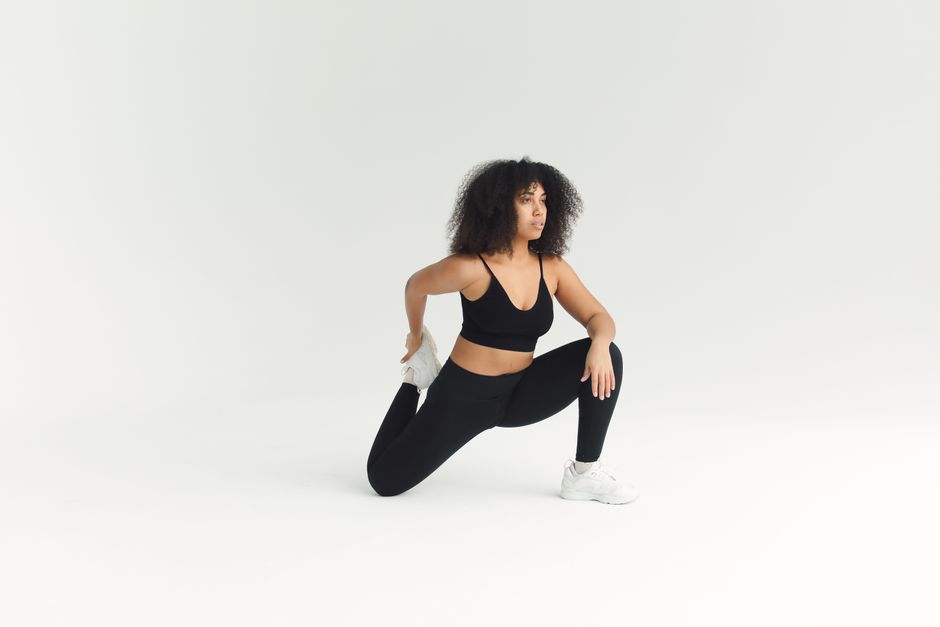
Now, let’s get into the routine. These exercises target the major muscle groups that tend to get the tightest from modern daily life: the hips, hamstrings, chest, and spine. For each move, remember the golden rule: stretch until you feel a gentle pull, but never to the point of pain.
1. Runner’s Stretch for Lower Body Relief
Don’t let the name fool you—you don’t have to be a marathoner to benefit from this. This is a powerhouse move for anyone who spends a lot of time sitting. It targets the hip flexors, hamstrings, low back, and calves all at once.
How to do it:
- Step your right foot forward and lower into a lunge, dropping your left knee to the floor.
- Place your hands on the floor on the inside of your right foot (or on your right knee if you need more balance).
- Gently push your hips forward, feeling the stretch in the front of your left hip.
- To deepen the stretch for the hamstrings, slowly shift your weight back, straightening your right leg and flexing your toes toward your face.
- Hold for 30 seconds, then switch sides. Repeat 2 to 4 times per side.
2. Doorway Chest Stretch for Better Posture
If you spend your day looking at a computer or a smartphone, your chest muscles (pectorals) are likely tight, pulling your shoulders forward. This stretch is a simple “antidote” to the modern slouch.
How to do it:
- Stand in an open doorway.
- Bring your arms up so your elbows are at a 90-degree angle (like a goalpost) and rest your forearms on the doorframe.
- Slowly step one foot through the doorway, leaning your weight forward until you feel a comfortable stretch across your chest and the front of your shoulders.
- Keep your head up and your back straight—don’t let your lower back arch excessively.
- Hold for 30 seconds.
This move is one of our favorite bodyweight exercises at home because it requires zero equipment and provides immediate relief for upper-body tension.
3. Seated Hamstring Stretch: One of the Best 5 easy stretching exercises
Tight hamstrings are a leading cause of lower back pain. This seated version is excellent for beginners or those with limited mobility because it provides more stability than a standing forward fold.
How to do it:
- Sit on the very edge of a sturdy chair (not one with wheels!).
- Extend your right leg straight out in front of you with your heel on the floor and toes pointed up.
- Keep your back straight and slowly lean forward from your hips (not your waist). Imagine you are trying to bring your chest toward your toes, rather than your forehead to your knee.
- Stop when you feel a “slight pull” in the back of your thigh.
- Hold for 30 seconds and repeat on the other leg.
This exercise is often recommended alongside in-home core strengthening exercises because a flexible lower body and a strong core work together to protect your spine.
4. Cat-Cow for Spinal Health
This is a dynamic stretch, meaning it involves movement. It’s fantastic for improving the mobility of the spine and relieving tension in the neck and shoulders.
How to do it:
- Start on your hands and knees in a “tabletop” position. Ensure your wrists are under your shoulders and knees are under your hips.
- The Cow: As you inhale, drop your belly toward the floor, lift your chin and chest, and look up toward the ceiling.
- The Cat: As you exhale, draw your belly to your spine and round your back toward the ceiling, tucking your chin to your chest (like a stretching cat).
- Continue flowing between these two positions for 1 minute, matching your movement to your breath.
5. Bound Angle for Hip Mobility
Also known as the “Butterfly Stretch,” this move targets the adductors (inner thighs) and the groin. It’s a relaxing way to end your routine.
How to do it:
- Sit on the floor with your legs out in front of you.
- Bend your knees and bring the soles of your feet together, letting your knees fall open to the sides.
- Grasp your feet or ankles and gently pull your heels toward your body.
- Keep your back tall. If you want a deeper stretch, lean forward slightly from the hips, using your elbows to gently press your thighs toward the floor.
- Hold for 30 seconds.
Safety Tips and Modifications for All Levels
Stretching should be a pleasant experience, not a painful chore. To keep your routine safe, we’ve put together a few essential tips and a comparison to help you understand the different ways to move.
Static vs. Dynamic Stretching
It is important to know the difference between these two methods so you can use them at the right time.
| Feature | Static Stretching | Dynamic Stretching |
|---|---|---|
| What it is | Holding a position for a set time (e.g., 30s) | Controlled, repetitive movements |
| Best Time | Post-workout or before bed | Pre-workout or morning warm-up |
| Example | Seated Hamstring Stretch | Cat-Cow or Hip Circles |
| Goal | Lengthening muscles and relaxation | Increasing blood flow and range of motion |
Common Mistakes to Avoid
- Bouncing: Never “bounce” in a stretch (this is called ballistic stretching). It can cause small tears in the muscle and trigger a “stretch reflex” that actually makes the muscle tighter to protect itself.
- Holding Your Breath: We often hold our breath when we feel tension. Instead, take slow, deep breaths. This signals to your nervous system that it is safe to relax.
- Pushing Too Far: Stretching should feel like a “slight pull” or “mild tension.” If you feel sharp, stabbing, or shooting pain, stop immediately.
- Rounding the Back: In many stretches, like the hamstring stretch, we tend to round our spine to reach further. Always keep your back flat and hinge from the hips to ensure you are actually stretching the target muscle.
Special Precautions
- Seniors: Most of these stretches can be modified to be chair-based. For example, the Runner’s Stretch can be done standing while holding onto a sturdy chair for balance.
- Osteoporosis: If you have osteoporosis, avoid the “Knee-to-Chest” stretch or deep spinal twists, as these can increase the risk of compression fractures in the spine.
- Chronic Conditions: If you have a history of disc problems, joint replacements, or severe inflammation, always consult a doctor or physical therapist before starting a new routine.
Frequently Asked Questions and Conclusion
At Lar Confortavel, we believe that recovery is just as important as the workout itself. Taking care of your muscles today ensures you can keep moving comfortably tomorrow. If you enjoyed these tips, you can explore more recovery tips on our blog.
When is the best time to stretch?
The “best” time is whenever you can do it consistently! However, different times offer different benefits. Stretching in the morning helps clear “sleep stiffness” and prepares you for the day. Stretching after a workout is the most effective time for increasing long-term flexibility because your muscles are warm. Finally, stretching before bed can help lower stress hormones and relax your body for better sleep.
How often should I do these 5 easy stretching exercises?
For the best results, we recommend a daily 5-minute routine. However, if that feels like too much, aim for at least 2 to 3 days a week. Research shows that consistent daily practice for just two weeks can lead to noticeable decreases in muscle tightness and pain.
Should stretching ever be painful?
Absolutely not. You should feel a mild tension or a gentle “pulling” sensation in the muscle you are targeting. If you experience sharp, pinching, or shooting pain, you have gone too far. Back off the stretch until the pain subsides. The goal is long-term health, not touching your toes on day one!
By incorporating these 5 easy stretching exercises into your lifestyle, you are investing in a body that moves better, feels younger, and stays injury-free. Start small, stay consistent, and enjoy the feeling of a more flexible you!
