
Why Muscle Recovery for Cyclists Is the Key to Getting Faster
Muscle recovery for cyclists is the process of helping your body repair, refuel, and adapt after a ride — and it’s just as important as the training itself.
Here’s a quick answer to what works best:
- Sleep 8-9 hours per night — it’s the single most powerful recovery tool
- Refuel within 30-90 minutes after a hard ride with a 4:1 carb-to-protein ratio
- Do recovery rides at Zone 1 — easy enough that it feels almost pointless
- Foam roll and stretch major muscle groups after every hard session
- Plan rest days and recovery weeks — typically one recovery week every 3-4 weeks of hard training
- Account for life stress — work and family demands slow recovery just like hard training does
You don’t get fitter during a ride. You get fitter after it.
When you push hard on the bike, you’re creating tiny tears in your muscle fibers, draining your glycogen stores, and building up metabolic waste. The ride is just the stimulus. Your body does the real work during recovery — repairing those fibers, making them stronger, and storing more energy for next time. That process is called supercompensation, and it’s how cyclists make real, lasting gains.
The problem? Most cyclists train hard and recover casually. They skip rest days, eat whatever’s convenient, sleep six hours, and call a 20 mph “recovery ride” recovery. Then they wonder why progress stalls or why they always feel tired.
As one experienced cycling coach puts it: “Recovery is key to making gains in your cycling fitness. It’s while you recover that your body repairs, physiologically adapts to the training you’ve done — and that’s what makes you fitter.”
The good news is that recovery doesn’t have to be complicated. A few consistent habits make an enormous difference.
The Science of Muscle Recovery for Cyclists
To understand why we need to step off the bike to get faster, we have to look at what happens under the skin. When we go “full gas” on a climb or sprint for a town sign, our muscles undergo significant stress.
First, there are micro-tears. These are microscopic damages to the muscle fibers. While they sound scary, they are actually the catalyst for growth. When the body repairs these tears, it weaves the fibers back together stronger than before. However, this repair process requires time and the right raw materials.
Second, we deal with glycogen depletion. Muscle glycogen is our primary fuel source for high-intensity efforts. Once these stores are empty, our performance “bonks.” Research shows that muscle glycogen is resynthesized at a relatively slow rate; if we don’t manage this properly, we might start our next ride with a half-empty tank.
Finally, there is the buildup of metabolic waste and the onset of Delayed Onset Muscle Soreness (DOMS). This is that familiar “heavy leg” feeling that peaks 24 to 48 hours after a ride. It’s caused by the inflammatory response to those micro-tears.
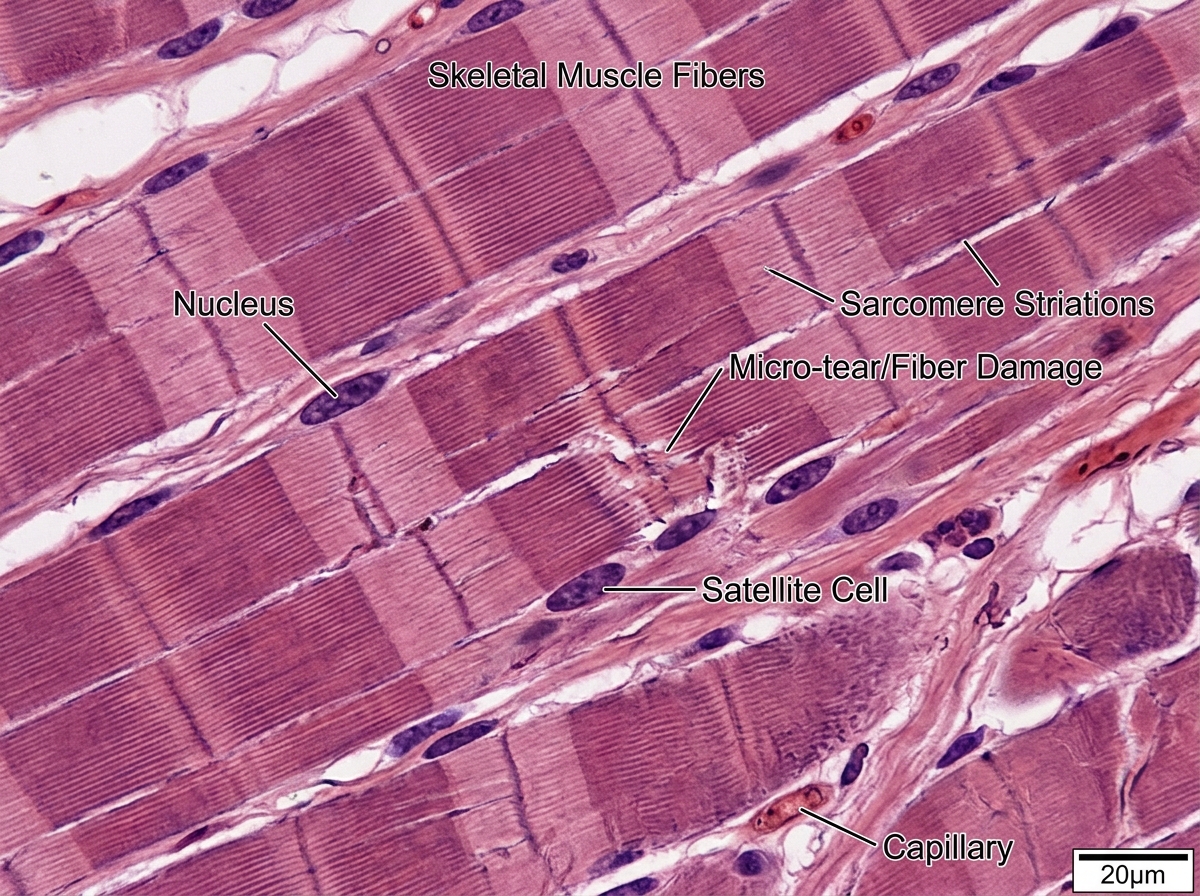
According to the Cycling Recovery: Guide to Maximizing Your Ride Recovery, recovery isn’t just downtime—it’s an active physiological adaptation. If we cut this process short, we risk overtraining and injury.
Recovery Times by Intensity
Not every ride requires the same amount of downtime. Your recovery window depends heavily on how deep you dug during the session.
| Intensity Zone | Ride Type | Typical Recovery Time |
|---|---|---|
| Zone 1-2 | Easy Endurance / Recovery Spin | 12 – 24 Hours |
| Zone 3 | Tempo / Steady State | 24 – 36 Hours |
| Zone 4 | Threshold / Sweet Spot | 36 – 48 Hours |
| Zone 5 | VO2 Max / HIIT Intervals | 48 – 72 Hours |
| Race Effort | Max Effort / Stage Race | 72 – 96 Hours |
Nutritional Strategies and Post-Ride Refueling
What we put in our mouths after a ride determines how quickly our muscles can get back to work. We like to think of the post-ride meal as the most important “training” decision of the day.
The primary goal is glycogen resynthesis. To do this effectively, we need a combination of carbohydrates (to refill the fuel tank) and protein (to repair the muscle fibers). The gold standard for cyclists is a 3:1 or 4:1 carbohydrate-to-protein ratio. Specifically, aiming for 20-30g of high-quality protein and 30-50g of carbohydrates immediately after a ride is a proven strategy to accelerate repair.
We also need to consider the “window of opportunity.” While the idea of a strict 30-minute window is sometimes debated, most experts agree that consuming nutrients within 30 to 90 minutes post-ride is ideal for maximizing enzyme activity. For more ideas on what to eat, check out our guide on the best foods for muscle recovery.
Hydration is the other half of the equation. We should aim to replenish about 80% of the body weight lost during exercise within 4-6 hours. For most, this means drinking water paired with electrolytes—specifically sodium, potassium, and magnesium—to prevent dehydration-related soreness and cramping. Men should generally aim for 3.7 liters of total water daily, while women should aim for 2.7 liters to support these metabolic processes.
If you’re in a rush, healthy post-workout smoothies are a fantastic way to hit these ratios quickly.
When are recovery drinks necessary for muscle recovery for cyclists?
We often get asked: “Do I really need that expensive recovery powder?” The answer depends on your ride.
If you’ve just finished a short 45-90 minute weekday spin and you’re about to sit down for dinner, a recovery drink is likely unnecessary. Your regular meal will provide everything you need. As the experts at British Cycling suggest, save the drinks for when they offer a real advantage.
Recovery drinks are most effective when:
- Convenience is key: You’ve finished a race or sportive and have a long drive home before your next meal.
- High intensity/duration: You’ve ridden for 3+ hours and need an immediate insulin response to kickstart glycogen storage.
- Back-to-back days: You are training again within 12-24 hours.
For late-evening riders, consider casein protein (found in cottage cheese or specific supplements). Casein is slow-releasing, providing your muscles with a steady stream of amino acids while you sleep.
Physical Techniques: From Foam Rolling to Compression
Beyond eating and drinking, how we treat our muscles physically can move the needle on muscle recovery for cyclists.
Foam Rolling and Myofascial Release: Think of your muscles like a bicycle chain that’s been through the mud. It gets “gunked up.” Foam rolling helps break up adhesions and scar tissue in the fascia (the sheath around the muscle). By spending just 30-60 seconds on major groups like the quads, IT bands, and calves, we can increase blood flow and relieve soreness. For more techniques, see our recovery tips after intense workouts.
Leg Elevation: This is a classic “pro” move because it’s free and effective. After a hard ride, lie on the floor and rest your legs vertically against a wall for 5 minutes for every hour you rode. This helps prevent blood from pooling in the lower extremities and encourages metabolic waste to move back toward the heart.
Compression and Contrast Therapy: Many riders swear by compression boots or socks. These devices use rhythmic pressure to improve circulation and lymphatic drainage. Similarly, contrast therapy—alternating between hot and cold water in the shower—can help dilate and constrict blood vessels, acting as a “pump” for your circulatory system. You can find more tips for improving workout recovery in our dedicated guide.
Active vs. Passive muscle recovery for cyclists
One of the biggest mistakes amateur riders make is misunderstanding the recovery ride. A true recovery ride should be performed in Zone 1—we’re talking 50-60% of your max heart rate.
We like the “crystal cranks” analogy: imagine your cranks are made of glass, and if you push too hard, they’ll shatter. If a grandmother on a shopping bike passes you, you’re doing it right. The goal is simply to get the blood flowing to flush lactate and deliver nutrients without adding any new fatigue.
Passive recovery (complete rest), on the other hand, is sometimes the better choice. If you are mentally drained or feeling the onset of a cold, skip the “easy spin” and stay on the couch. Mental decompression is just as vital as physical repair. Integrating gentle yoga or mobility work can also bridge the gap between total inactivity and a ride.
The Role of Sleep and Managing Life Loads
If there is a “magic pill” for cycling performance, it’s sleep. It is the number one recovery tool available to us.
During deep sleep (Stage 3 NREM), our bodies release Human Growth Hormone (HGH). This hormone is essential for cellular regeneration, tissue repair, and immune function. Most cyclists should aim for 8-9 hours of sleep per night. Professional cyclists often take this further, adding 20-30 minute daytime naps to their routine.
Sleep Hygiene Tips:
- Avoid blue light: Put the phone away 2 hours before bed; blue light inhibits melatonin.
- Cool environment: A slightly cool room promotes deeper sleep.
- Consistency: Try to wake up at the same time every day to stabilize your circadian rhythm.
We also have to account for “life loads.” Your body doesn’t distinguish between the stress of a 100-mile ride and the stress of a high-pressure work deadline or a crying toddler. All stress increases cortisol, which can slow down muscle repair.
This is why periodization is crucial. We generally recommend a 3:1 ratio: three weeks of building intensity followed by one full recovery week where volume and intensity are slashed by 30-50%. Monitoring your Heart Rate Variability (HRV) can be a great way to see how your body is actually handling the total load of “life + bike.”
Frequently Asked Questions about Cycling Recovery
How long does it take for legs to recover after a hard ride?
Recovery time varies based on the intensity zones you hit. A light endurance ride might only require 24 hours, while a max-effort race or a century ride can take 72 to 96 hours for full tissue repair. Your current fitness level also plays a role—the fitter you are, the more efficiently your body processes waste. Watch for signs of overtraining, such as an elevated resting heart rate or persistent irritability.
Are ice baths actually effective for cyclists?
Ice baths are great for reducing acute inflammation and pain, which is why they are popular during stage races where you must perform again the next day. However, for a regular training block, they might actually suppress the adaptations you want. Because inflammation is part of the signal that tells your body to get stronger, “dampening” it too much can lead to fewer fitness gains over time.
What is the “Golden Hour” for post-ride nutrition?
The “Golden Hour” refers to the 30-60 minute window after exercise when your body is most primed to restock glycogen. During this time, the enzymes responsible for glycogen storage are highly active. While you can still recover after this window, the “rapid phase” of resynthesis is most efficient right after you hop off the saddle.
Conclusion
At the end of the day, muscle recovery for cyclists isn’t about expensive gadgets; it’s about consistency and respect for your body’s limits. If you want to pedal harder, you simply must learn to rest better. By prioritizing sleep, nailing your post-ride nutrition, and being disciplined enough to actually go slow on your recovery days, you’ll find yourself reaching new levels of fitness that “grinding” alone could never achieve.
Take a professional mindset toward your downtime. As we always say at Lar Confortavel, the best ride of your life is usually the one you’ve recovered for. For more professional insights, explore our full range of recovery resources.
