
Why Starting an Aerobic Routine for Beginners Is Easier Than You Think
An aerobic routine for beginners is the simplest, most effective way to improve your cardiovascular health, boost your energy, and feel better — without needing a gym or any equipment.
Here is a quick-start snapshot:
- What it is: Any movement that raises your heart rate and makes you breathe faster — walking, marching in place, dancing, jumping jacks
- How often: 3 to 5 days per week
- How long: Start with 10 to 20 minutes; build toward 150 minutes per week
- Intensity: Moderate — you should be able to talk, but not sing
- Equipment needed: None
Most people overthink getting started. The truth is, your body does not care if you are following a fancy program. It just needs you to move consistently.
Aerobic exercise — also called cardio — is any activity that uses oxygen to fuel your muscles over a sustained period. Think brisk walking, dancing in your living room, or marching on the spot. It strengthens your heart, supports weight management, lowers blood pressure, and even lifts your mood by releasing feel-good chemicals called endorphins.
The biggest barrier for most beginners is not fitness — it is not knowing where to start. This guide fixes that.

Understanding Aerobic Exercise and Its Benefits
When we talk about aerobic exercise, we are literally talking about exercise “with oxygen.” During an aerobic routine for beginners, your breathing and heart rate increase to supply your muscles with the oxygen-rich blood they need to keep moving. This isn’t about sprinting until you gasp for air; it’s about steady, rhythmic movement that you can sustain.
The benefits for us are massive. Research shows that consistent aerobic activity can lead to a 19% to 25% decrease in mortality. Beyond living longer, it helps us live better. Regular movement helps regulate blood sugar, improves the quality of our sleep, and keeps our circulatory system healthy. If you’ve been feeling a bit sluggish lately, cardio is actually a natural energy booster. It improves circulation, ensuring that oxygen and nutrients reach your tissues more efficiently.
For those of us looking to manage our weight, aerobic exercise is a powerful tool. It helps us reach a healthy weight by burning calories and elevating our metabolism. Furthermore, it’s one of the best ways to support our mental well-being. The release of neurotransmitters like serotonin and dopamine during a workout can significantly reduce stress and anxiety.
You can learn more about different types of movement in our guide on low-impact home cardio workouts for beginners. For a deeper dive into the science, check out these Aerobic Exercise Examples and Benefits.
Why This Aerobic Routine for Beginners Works
We designed this routine to be accessible. You don’t need to buy a stationary bike or a treadmill to see results. By using movements like marching, side taps, and dancing, we make fitness feel less like a chore and more like a natural part of our day.
This approach works because it focuses on stamina building. We aren’t asking you to run a marathon on day one. Instead, we start with short sessions that gradually build your endurance. This prevents the “burnout” that happens when people try to do too much too soon. Plus, because these exercises are equipment-free, you can take them anywhere — whether you are in your living room, a hotel room, or a park.
Consistency is the “not-so-secret” secret to success. If you can commit to just a few minutes a day, you’ll start to notice that stairs feel easier to climb and you have more “get-up-and-go” in the mornings. For more ideas on how to kickstart your journey, see our tips on fat-burning cardio exercises at home.
Your Equipment-Free Aerobic Routine for Beginners
Ready to get moving? Clear a small space in your living room — about the size of a yoga mat is plenty. Make sure there are no loose rugs or toys underfoot. We want to keep things safe and fun!
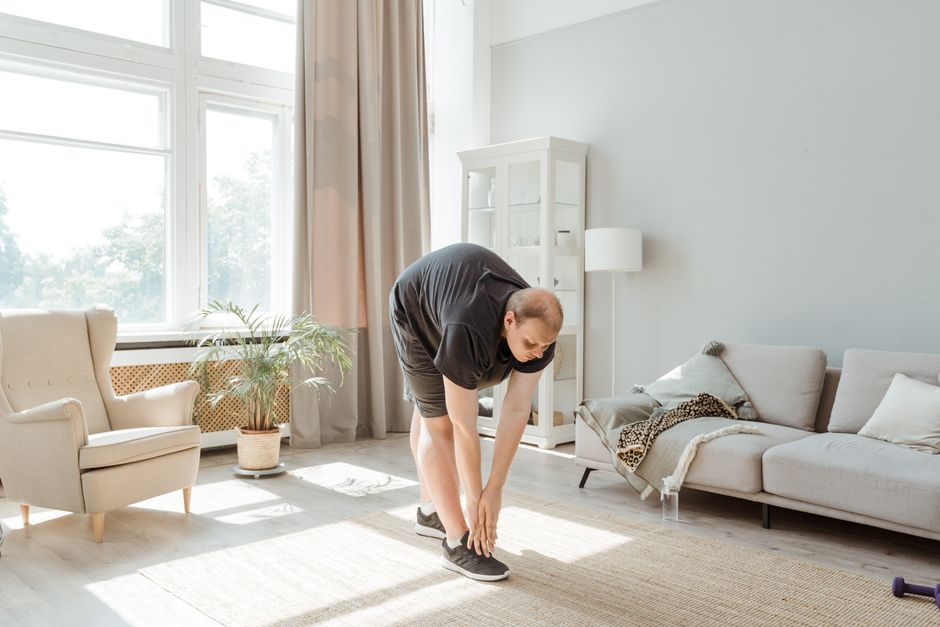
Here is a simple, effective aerobic routine for beginners that you can do right now. Perform each move for 45 seconds, then rest for 30 seconds before moving to the next one.
- Marching in Place: This is the ultimate starting point. Lift your knees high and swing your arms. It gets the blood flowing without any impact on your joints.
- Side Taps: Step your right foot out to the side and tap the floor, then bring it back and repeat with the left. Add some “speed ball” arms (circling your fists in front of your chest) to get your upper body involved.
- Arm Circles: Stand with your feet shoulder-width apart. Extend your arms out to the sides and make small, controlled circles. This builds shoulder endurance and keeps your heart rate elevated.
- Trunk Rotations: Keep your feet planted and gently rotate your torso from side to side. This engages your core and improves flexibility while you keep a steady rhythm.
- Dancing to Music: This is our favorite part! Put on your favorite upbeat song and just move. Whether it’s a simple two-step or a full-on living room disco, dancing is a fantastic way to burn calories while smiling.
If you want to try more variety, we have a full list of no-equipment cardio workouts and other beginner-friendly cardio workouts at home to keep your routine fresh.
Structuring Your Weekly Aerobic Routine for Beginners
How much is enough? The Physical Activity Guidelines for Americans recommend aiming for 150 to 300 minutes of moderate physical activity per week. That might sound like a lot, but when we break it down, it’s very manageable.
- Frequency: Aim for 3 to 5 days per week.
- Duration: Start with 10 to 15 minutes per session. As you get stronger, build up to 30 or 45 minutes.
- The Interval Method: If 20 minutes of continuous movement feels too hard, use intervals. Work for 45 seconds, rest for 30 seconds, and repeat. This allows your heart rate to stay up while giving your muscles a brief moment to recover.
Consistency matters more than intensity in the beginning. It is better to do 15 minutes three times a week than to do one 60-minute session and then give up because you’re too sore.
How to Measure and Adjust Your Exercise Intensity
One of the biggest questions we get is, “How hard should I be working?” You don’t need a fancy heart rate monitor to figure this out. We use a simple tool called the Rate of Perceived Exertion (RPE) scale.
The RPE scale runs from 0 to 10, where 0 is sitting on the couch and 10 is a full-out sprint where you can’t breathe. For a beginner, we want to stay in the “Sweet Spot” between 3 and 7.
| Intensity Level | RPE Score | How it Feels | The “Talk Test” |
|---|---|---|---|
| Low | 1 – 2 | Very easy, like a slow stroll. | You can sing a song easily. |
| Moderate | 3 – 4 | You’re breathing faster, feeling warm. | You can carry on a steady conversation. |
| Vigorous | 5 – 7 | You’re sweating and breathing heavily. | You can only speak a few words at a time. |
| High | 8 – 10 | Near maximum effort. | You cannot speak at all. |
For most of your aerobic routine for beginners, aim for an RPE of 3 or 4. If you feel like you could sing a whole opera, pick up the pace! If you can’t say a single sentence without gasping, slow down. Listening to your body is the best way to stay safe. For more on managing your pace, see our guide on low-impact cardio intensity.
Essential Safety: Warm-Up and Cool-Down Guide
Safety is our top priority. Before you jump into your main routine, you must prepare your body. A good warm-up raises your body temperature and “lubricates” your joints, which helps prevent injury.
The 5-Minute Warm-Up
Spend at least 5 minutes doing low-impact movements:
- Marching on the spot: Start slow and gradually increase your speed.
- Shoulder rolls: Roll your shoulders back and forward to release tension.
- Knee raises: Gently lift your knees toward your waist, tapping them with your hands.
The Cool-Down and Recovery
Never stop abruptly. When you finish your aerobic routine for beginners, spend 5 minutes slowing down. This helps your heart rate return to normal and prevents dizziness.
- Static Stretching: Hold stretches for 15 to 30 seconds. Focus on your calves, hamstrings, and quads.
- Hydration: Drink plenty of water before, during, and after your workout. Even mild dehydration can make exercise feel much harder than it actually is.
- Rest: Give yourself rest days. Your muscles actually grow and get stronger while you sleep and recover, not while you are working out!
If you have a pre-existing health condition, are pregnant, or haven’t exercised in a long time, please consult a healthcare professional before starting. For more safety tips and video guidance, visit the NHS Aerobics for Beginners page. You can also find more structured advice in our home cardio workout without equipment guide.
Staying Motivated and Progressing Your Fitness
The hardest part of any fitness journey is the second week — the novelty has worn off, and you might be a little tired. Here is how we stay on track:
- Keep a Workout Journal: Write down what you did and how you felt. Seeing your progress on paper (e.g., “I marched for 5 minutes longer today!”) is incredibly motivating.
- Find Your “Why”: Are you exercising to keep up with your grandkids? To reduce stress? To feel more confident? Keep that reason front and center.
- Mix It Up: Don’t do the exact same thing every day. One day do a “boxing” themed cardio session, and the next day just dance to your favorite album.
- Join a Community: Whether it’s an online group or a friend you text after every workout, accountability makes a huge difference.
As you get stronger, you can progress by increasing your work time (e.g., 50 seconds of work instead of 45) or decreasing your rest time. You might even want to try some fat-loss best cardio exercises at home to challenge yourself further. Explore our full cardio exercises category for endless inspiration.
Frequently Asked Questions about Aerobic Routines
How often should a beginner do aerobics?
We recommend starting with 3 days per week on non-consecutive days (like Monday, Wednesday, and Friday). This gives your body time to recover. As you feel more comfortable, you can increase this to 5 days a week. The goal is to reach about 150 minutes of moderate activity total across the week.
Can I do an aerobic routine for beginners at home without equipment?
Absolutely! Most of the best aerobic exercises for beginners use only your own body weight. Marching, jogging in place, side steps, and dancing are all highly effective and require zero equipment. All you need is a bit of space and some comfortable shoes.
What should I do if I feel pain during exercise?
Stop immediately. There is a difference between the “burn” of a working muscle and actual pain. If you feel sharp pain, dizziness, chest pressure, or heart palpitations, stop and rest. If the symptoms persist, consult a doctor or seek medical advice. It is always better to be cautious and live to workout another day!
Conclusion
Starting an aerobic routine for beginners is a gift you give to your future self. It isn’t about being the fastest or the strongest person in the room; it’s about being a little bit more active today than you were yesterday. At Lar Confortavel, we believe that fitness should be accessible, enjoyable, and sustainable.
By focusing on simple movements, listening to your body, and staying consistent, you will reach your fitness goals and enjoy a healthier, more energetic lifestyle. Remember to smile, stay hydrated, and keep moving!
Ready for the next step? Explore more workout routines to keep your fitness journey exciting and effective.
