
What Every Active Person Should Know About Plant-Based Athlete Diet Recipes
Plant based athlete diet recipes are structured meals built from whole, minimally processed foods — designed to meet the higher energy and recovery demands of people who train hard.
Here are the top recipes covered in this article, with their key stats at a glance:
| Recipe | Protein | Calories | Best For |
|---|---|---|---|
| Superwoman Bowl | 20g | 448 kcal | Daily performance fuel |
| Vegan Power Bowl | 21g | 522 kcal | Pre- or post-workout meal |
| PB Recovery Smoothie | 22g | 352 kcal | Post-workout recovery |
| 3-Bean Tempeh Chili | 32g | 465 kcal | High-protein recovery meal |
| Vegan Burrito Bowl | 23.5g | 735 kcal | Heavy training days |
| Summer Pasta Salad | 17.5g | 346 kcal | Light training days |
| High-Energy Fruit Smoothie | 8.5g | 564 kcal | Pre-workout carb loading |
If you train regularly, you already know that what you eat directly affects how you perform and recover. The problem is that most nutrition advice leans heavily on animal products — leaving active people who want to eat more plants wondering if they can still hit their targets.
The short answer is yes. And the recipes in this guide prove it.
Plant-based eating gives athletes a powerful combination: carbohydrates for fuel, protein for repair, antioxidants for recovery, and fiber for sustained energy. World-class performers — from Olympic cyclists to NFL players — have made the switch and seen real results.
This guide cuts through the noise and shows you exactly which meals to eat, when to eat them, and how to prep them without spending hours in the kitchen.
Why Elite Performers Choose Plant-Based Fuel
When we talk about plant based athlete diet recipes, we aren’t just talking about salads. We are talking about high-octane fuel. Many world-class athletes, including Formula 1’s Lewis Hamilton and Olympic cyclist Dotsie Bausch, have transitioned to plant-based diets to gain a competitive edge. But why does it work so well for the human body under stress?
First, plant-based diets are naturally high in antioxidants. During intense exercise, our bodies produce free radicals that cause oxidative stress and muscle fatigue. Plants are packed with vitamins and minerals that neutralize these free radicals, effectively speeding up the recovery process. This means you can get back to training sooner with less soreness.
Second, inflammation reduction is a massive benefit. Animal-based diets can often be pro-inflammatory, whereas a diet rich in whole plant foods helps keep systemic inflammation low. This is crucial for joint health and long-term injury prevention. Furthermore, the high-carbohydrate nature of these diets ensures that your glycogen stores—your body’s primary fuel source for high-intensity movement—are always topped up.
Research also suggests that a low-fat, high-fiber plant-based diet can help reduce body fat while maintaining lean muscle. This shift in body composition often leads to increased aerobic capacity, allowing you to run further, lift longer, and breathe easier. For more ideas on how to keep your engine running, check out these 12 Game-Changing Vegan Recipes for Athletes and our guide on Foods That Boost Energy for Exercise.
7 Elite Plant Based Athlete Diet Recipes for Every Training Phase
Transitioning to a performance-based vegan diet requires a plan. You can’t just remove the meat; you have to replace it with nutrient-dense alternatives that satisfy your caloric needs. Whether you are in a heavy lifting phase or a deload week, these plant based athlete diet recipes provide the foundation you need.
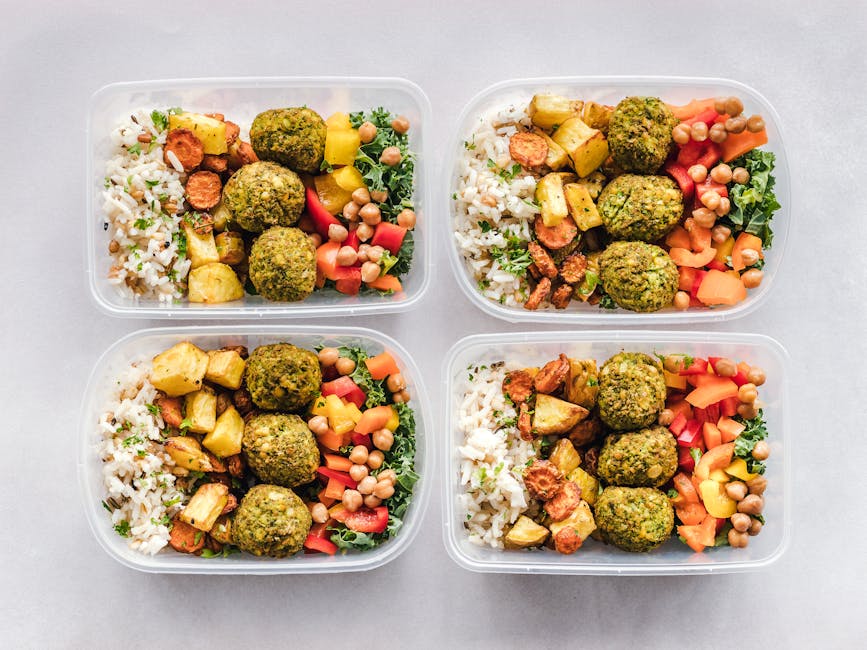
One of the most iconic meals in the plant-based community is the Superwoman Bowl. Originally popularized by Olympic silver medalist Dotsie Bausch, this bowl is a masterclass in micronutrient density. It isn’t just about the 20 grams of protein; it’s about the 16 grams of fiber and the abundance of iron and calcium that support bone health and oxygen transport.
The secret to this recipe is the base of massaged kale. By massaging the kale with olive oil and lemon juice for a few minutes, you break down the tough fibers, making it easier to digest and far more delicious. Topped with quinoa, hemp hearts, and a creamy cashew dressing, it provides 448 calories of pure performance fuel. You can find the full breakdown in this Dotsie’s Superwoman Bowl Recipe and learn more about Protein-Rich Foods for Home Training to customize your own bowls.
Optimizing Performance with Plant Based Athlete Diet Recipes
For those days when you need a significant caloric punch to get through a grueling session, the Vegan Power Bowl is your best friend. This recipe is designed to be prepared in about 35 minutes, making it a realistic option for busy training schedules.
With 21 grams of protein and 522 calories, this bowl focuses on balanced macronutrients. It combines 50g of quinoa with 50g of chickpeas and a mix of roasted sweet potatoes, broccoli, and red bell peppers. The inclusion of pumpkin seeds and avocado adds healthy fats that are essential for cardiovascular health and hormone production.
Nutrients like magnesium and potassium found in these ingredients are vital for muscle function and preventing cramps. If you’re looking for the perfect meal to eat a few hours before a high-intensity session, explore The Ultimate Vegan Power Bowl or read The Ultimate Guide to the Best CrossFit Pre-Workout Meal for more timing tips.
Recovery Secrets in Plant Based Athlete Diet Recipes
Recovery is where the “gains” actually happen. After a workout, your muscles are like sponges, waiting for the right nutrients to begin the repair process.
The PB Recovery Smoothie is a “game-changer” because it uses whole-food ingredients to hit 22g of protein without relying solely on heavily processed powders. By combining unsweetened almond milk, a frozen banana, spinach, oats, and peanut powder (like PBfit), you create a balanced amino acid profile. The oats provide the necessary complex carbohydrates to replenish glycogen, while the peanut powder offers a cleaner protein source with lower heavy metal risks than some commercial isolates.
For a savory recovery dinner, nothing beats a 3-Bean Tempeh Chili. This recipe is a protein powerhouse, offering a staggering 32.2g of protein per serving. Tempeh is a fermented soy product, meaning it’s not only high in protein but also great for gut health. This chili is perfect for batch cooking and actually tastes better the next day after the spices have melded. Check out our suggestions for Healthy Post-Workout Smoothies and the Best Foods for Muscle Recovery to round out your post-training nutrition.
Strategic Meal Timing and Prep for Busy Athletes
The biggest hurdle for most athletes isn’t the taste of the food—it’s the time it takes to make it. If you are training 5–10 hours a week, you don’t have time to cook every single meal from scratch. This is where strategic plant based athlete diet recipes and batch cooking come into play.
| Feature | Pre-Workout Nutrition | Post-Workout Nutrition |
|---|---|---|
| Primary Goal | Sustained energy & glucose availability | Muscle repair & glycogen replenishment |
| Key Macro | Complex Carbohydrates | Protein + Simple/Complex Carbs |
| Fiber Content | Moderate (to avoid GI distress) | High (for satiety and health) |
| Example | High-Energy Fruit Smoothie | 3-Bean Tempeh Chili |
Batch Cooking Tips:
- Grains: Cook a large pot of quinoa or brown rice at the start of the week. These serve as the base for your Burrito Bowls and Power Bowls.
- Legumes: Drain and rinse several cans of black beans and chickpeas, or cook them from dry in an Instant Pot.
- Sauces: Make a double batch of tahini dressing or cashew cream. These keep in the fridge for 5–7 days and can transform a boring bowl of veggies into a gourmet meal.
- Freezing: Recipes like the Tempeh Chili or Lentil “Meatloaf” freeze exceptionally well. Portion them out into individual containers for those nights when you’re too tired to even turn on the stove.
Focusing on these strategies ensures you always have access to high-quality fuel. For more help getting started, see our guides on Meal Prep for Home Workouts and Simple Meal Plans for Fitness Beginners.
Customizing Your Plant-Based Performance Plan
No two athletes are the same, and your plant based athlete diet recipes should reflect your specific needs and restrictions. The beauty of plant-based cooking is its inherent flexibility.
- Gluten-Free Adaptations: Most plant-based staples like beans, lentils, quinoa, and rice are naturally gluten-free. If a recipe calls for pasta, simply swap it for red lentil pasta or chickpea pasta to boost the protein content even further.
- Sugar-Free Options: For recipes like the PB Recovery Smoothie or oatmeal, use whole fruits like dates or bananas for sweetness instead of refined sugars. This provides a slower release of energy and avoids the dreaded “sugar crash.”
- Nut-Free Alternatives: If you have a nut allergy, swap peanut butter for sunflower seed butter (SunButter) and use soy or oat milk instead of almond milk.
- Bioavailability: To get the most out of your plant-based meals, pair iron-rich foods (like spinach or lentils) with vitamin C-rich foods (like citrus or bell peppers). This significantly increases your body’s ability to absorb non-heme iron.
While a whole-food diet covers most bases, some athletes may benefit from specific additions. You can learn more about this in our Balanced Diet Tips for Active Lifestyles and Vitamins and Supplements for Beginners.
Frequently Asked Questions about Plant-Based Athlete Diets
How do plant-based athletes get enough protein?
It’s the most common question we hear! The truth is that if you are eating enough calories from a variety of whole plant foods, it is very difficult to be protein deficient. Beans, lentils, chickpeas, tofu, tempeh, seitan, nuts, seeds, and even whole grains like quinoa are excellent sources. Recipes like the 3-Bean Tempeh Chili (32g protein) prove that you can easily hit your targets without animal products.
Are these recipes suitable for weight loss and muscle gain?
Yes, they can be adapted for both. For muscle gain, focus on calorie-dense plant based athlete diet recipes like the Vegan Burrito Bowl (735 kcal) and add extra healthy fats like avocado or hemp seeds. For weight loss, focus on high-volume, lower-calorie meals like the Summer Pasta Salad or the Superwoman Bowl, which are high in fiber to keep you feeling full.
Can I prepare these meals in under 30 minutes?
Absolutely. Many of these recipes, such as the Vegan Power Bowl or the various smoothies, take between 5 and 35 minutes. By using pre-cooked grains or canned beans, you can assemble a performance-grade meal in less time than it takes to order takeout.
Conclusion
Switching to plant based athlete diet recipes is one of the most effective ways to support your performance longevity and overall health. By focusing on a whole-food foundation, you provide your body with the clean energy it needs to thrive, whether you’re hitting a new personal record in the gym or recovering from a long trail run.
At Lar Confortavel, we believe that nutrition should be simple, delicious, and empowering. You don’t need to be a professional chef to fuel like an elite athlete; you just need the right ingredients and a little bit of preparation.
Ready to take your training to the next level? Start your fitness journey today and discover how the power of plants can transform your results.
