
Why the Best Post Workout Electrolyte Drink Matters for Your Recovery
Finding the best post workout electrolyte drink can be the difference between bouncing back fast and feeling wiped out for days.
Here’s a quick answer based on your workout intensity:
| Workout Type | Best Option | Key Nutrients |
|---|---|---|
| Moderate (< 60 min) | Nuun Sport Tablets | 300mg sodium, low sugar |
| Endurance / Heavy Sweat | Gatorade Endurance or LMNT | 600-1000mg sodium, 30-60g carbs |
| General Recovery | Low-fat milk or smoothie | Protein, carbs, electrolytes |
| Budget / DIY | Himalayan salt lemonade | Sodium, potassium, natural sugars |
| Illness Recovery | Pedialyte | 370mg sodium, 280mg potassium |
When you work out hard, you lose more than just water. Your sweat carries away key minerals — sodium, potassium, magnesium, and calcium — that your muscles and nerves need to function properly. Plain water alone can’t replace them.
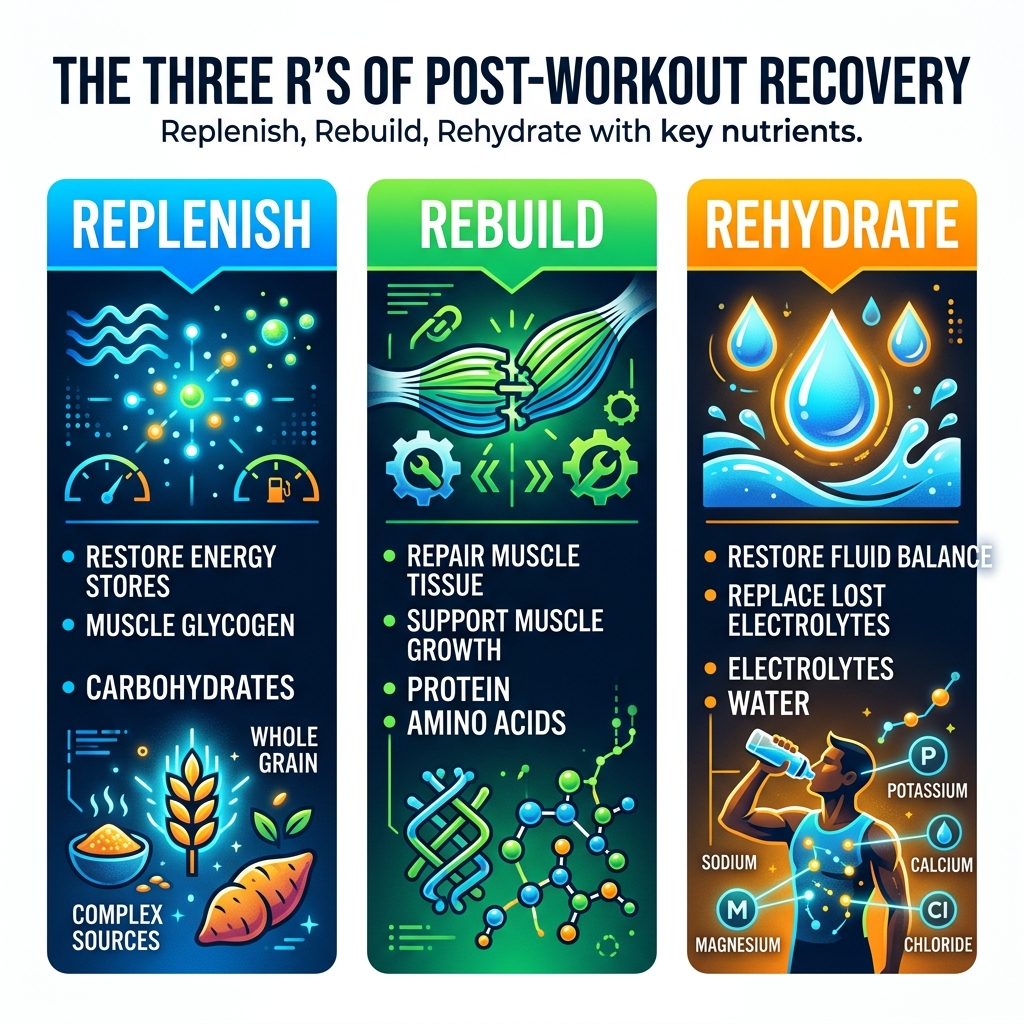
Sports dietitians often point to the three R’s of post-workout recovery: replenish energy stores with carbohydrates, rebuild muscle with protein, and rehydrate with the right fluids. Skip any one of these, and your recovery suffers.
The challenge? The electrolyte drink market is enormous and often confusing. Sport and energy drinks are one of the top categories for product innovation in grocery stores — which makes it hard to know what you actually need.
This guide cuts through the noise so you can pick the right drink for your workout and your body.
The Science of Rehydration: Why Your Body Needs More Than Water
If you’ve ever finished a grueling session feeling like a wilted plant, you know that water doesn’t always hit the spot. While H2O is the foundation of life, it lacks the “spark plugs” our body needs to actually use that fluid effectively. These spark plugs are electrolytes.
Electrolytes are minerals that carry an electrical charge when dissolved in water. They are the maestros of your internal orchestra, conducting everything from nerve transmissions to muscle contractions. When we sweat, we don’t just lose water; we lose a cocktail of minerals, primarily sodium, but also potassium, magnesium, calcium, chloride, and phosphorus.

Here is a breakdown of why these minerals are non-negotiable for your recovery:
- Sodium: This is the heavyweight champion of electrolytes. It helps your body retain the fluid you drink rather than just sending it straight to your bladder. It also plays a massive role in nerve impulses and muscle function.
- Potassium: While sodium works outside the cells, potassium works inside. It’s essential for heart rhythm and preventing those pesky post-run cramps.
- Magnesium: Involved in over 300 enzymatic reactions, magnesium is vital for energy production and protein synthesis. If you’re feeling unusually fatigued, a magnesium dip might be the culprit.
- Calcium: Beyond bone health, calcium is what allows your muscles to actually contract.
- Chloride and Phosphorus: These help maintain osmotic balance and acid-base levels in your blood.
Without these minerals, drinking plain water can actually dilute your blood’s sodium levels, a dangerous condition known as hyponatremia. To dive deeper into how these minerals support your daily wellness, check out this guide on 8 Electrolytes Drinks to Add to Your Wellness Routine.
Choosing the Best Post Workout Electrolyte Drink for Your Exercise Intensity
Not every workout requires a high-performance sports drink. If you spent thirty minutes on a leisurely walk, a bottle of Gatorade Endurance might be overkill. Conversely, if you just finished a 90-minute hot yoga session or a half-marathon, a light electrolyte water won’t cut it.
The best post workout electrolyte drink is the one that matches the “debt” your body just incurred.
Best Post Workout Electrolyte Drink for Moderate Exercise
For workouts lasting less than an hour—think a standard gym session, a 5k jog, or a Pilates class—your electrolyte losses are generally manageable. In these scenarios, you want to avoid “liquid candy.” Many traditional sports drinks contain over 20g of added sugar, which isn’t necessary for moderate activity.
We recommend looking for options with:
- Sodium: Under 200mg per serving.
- Potassium: Around 200mg.
- Sugar: Minimal or zero added sugars.
Effervescent tablets like Nuun Sport or packets like Ultima Replenisher are fantastic here. They are portable, low-calorie, and use natural sweeteners like stevia. These provide the “spark” without the heavy carb load, keeping your daily hydration in perfect balance.
Best Post Workout Electrolyte Drink for Endurance and Heavy Sweating
When you push past the 60-to-90-minute mark, the rules change. Your glycogen (sugar) stores are depleted, and your sodium loss can be massive—some heavy sweaters lose up to 1,000mg of sodium per hour!
In this zone, the best post workout electrolyte drink must include:
- Carbohydrates: 30-60g per hour of exercise to replenish energy.
- High Sodium: 600mg to 1,000mg to trigger the “sodium-glucose co-transport” mechanism, which pulls water into your bloodstream faster.
- Potassium: At least 300mg to support muscle repair.
Products like LMNT or Liquid I.V. are popular for their high sodium content. If you prefer a whole-food approach that still packs a punch, consider an Electrolyte Recovery Smoothie – Kelly Jones Nutrition. Smoothies are particularly great when your appetite is suppressed after a hard workout but you still need to tick those “Three R’s” boxes.
Natural Alternatives and DIY Recovery Solutions
You don’t always need a plastic bottle or a powder packet to recover. Some of the most effective hydration tools are sitting in your fridge right now.
The Power of Milk and Fruit Juices
Believe it or not, low-fat milk is often cited by dietitians as a superior rehydration drink. It is 90% water and naturally contains a balanced mix of sodium, potassium, calcium, and magnesium. Even better, it provides 8g of protein and 12g of carbohydrates per cup, making it a “complete” recovery package. Research has shown that participants who rehydrated with milk retained more fluid over time compared to those who drank plain water.
Other natural heavy hitters include:
- Tart Cherry Juice: A favorite among professional athletes, it is loaded with antioxidants that combat exercise-induced inflammation. Just remember it’s low in sodium, so pair it with a salty snack.
- Coconut Water: Often called “Nature’s Gatorade,” it’s incredibly high in potassium (about 470mg per cup) but relatively low in sodium.
- 100% Orange Juice: Provides a quick hit of potassium and natural sugars to replenish glycogen.
- Bone Broth: An old-school remedy that provides high levels of sodium and amino acids for gut and muscle repair.
Crafting a Homemade Recovery Lemonade
If you want total control over your ingredients and want to save some cash, making your own best post workout electrolyte drink is surprisingly easy. A DIY “Recovery Lemonade” uses the science of the “Golden Ratio” to ensure you’re getting exactly what you need without artificial colors or flavors.
The secret ingredient? Pink Himalayan salt. While it’s functionally similar to table salt, it contains trace minerals and lacks the anti-clumping agents found in processed salt.
Simple DIY Recipe:
- Dissolve: 1/4 tsp Pink Himalayan salt in 1 tbsp warm water.
- Mix: Add 1 tbsp fresh lemon juice (for potassium and Vitamin C).
- Sweeten: Add 1 tsp of honey or maple syrup (glucose helps sodium absorption).
- Dilute: Fill with 16 oz of cold filtered water.
This simple mix provides roughly 590mg of sodium, making it perfect for moderate to heavy sweat sessions. For a deeper dive into this recipe, check out the Post Workout Pink Himalayan Salt Recovery Lemonade: The Ultimate DIY Guide.
Frequently Asked Questions about Post-Workout Hydration
When should I choose an electrolyte drink over plain water?
We generally recommend reaching for an electrolyte drink if your workout lasts longer than 60 minutes, if you are exercising in high heat/humidity, or if you are a “salty sweater” (you see white streaks on your skin or clothes after a workout). It’s also a smart choice if you’re recovering from an illness involving fluid loss. For a quick 20-minute walk in cool weather, plain water is usually sufficient.
What ingredients should I avoid in a recovery drink?
Not all drinks are created equal. We suggest steering clear of:
- Artificial Colors: Like Red 40 or Blue 1, which serve no nutritional purpose.
- High-Fructose Corn Syrup: Can cause digestive distress during or after exercise.
- Excessive Caffeine: While a little caffeine can aid performance, too much post-workout can interfere with your sleep—the most important part of recovery.
- Maltodextrin: A high-glycemic thickener that can cause blood sugar spikes.
How much fluid should I drink after a workout?
The gold standard is to drink 16-24 ounces of fluid for every pound of body weight lost during exercise. A simpler way to track this is by your urine color; aim for a pale yellow (like lemonade), not dark (like apple juice). Also, remember to sip steadily rather than gulping. Your body can only absorb about 6-8 ounces of fluid every 15-20 minutes. Gulping a liter at once often just results in a trip to the bathroom rather than actual rehydration.
Conclusion
Finding the best post workout electrolyte drink isn’t about following the latest trend; it’s about listening to your body and matching your hydration to your effort. Whether you prefer the convenience of a high-sodium powder like LMNT, the natural balance of a glass of cold milk, or the simplicity of a DIY Himalayan salt lemonade, the goal remains the same: replenish what you lost so you can go again tomorrow.
Optimal recovery is a holistic process. Beyond what you drink, ensure you are prioritizing sleep and nutrient timing to allow for total muscle repair. At Lar Confortavel, we believe that taking care of your body after the sweat is just as important as the workout itself.
For more expert tips on optimizing your body’s bounce-back, explore our More info about recovery services to find the best strategies for your fitness journey. Drink up, recover well, and we’ll see you at your next session!
