
The Science of the Beach Volleyball Meal Plan
To understand why a beach volleyball meal plan is so specific, we have to look at how the body actually moves on the sand. Beach volleyball is an explosive, high-intensity sport. Every jump, spike, and lateral dive relies on the anaerobic energy system—specifically the glycolytic system.
This system is the body’s way of producing energy without needing immediate oxygen. It breaks down glycogen (stored sugar in your muscles and liver) into glucose to create ATP (adenosine triphosphate), which is the “energy currency” your muscles use to fire. The glycolytic system can supply intense energy for activities lasting between 30 seconds and 2 minutes—exactly the length of a grueling rally in the deep sand.
If your glycogen stores are empty, your “explosiveness” disappears. You’ll find yourself moving slower, jumping lower, and losing mental focus. This is why a balanced diet for active lifestyles is non-negotiable. Without enough fuel, your body may even begin muscle tissue breakdown to find energy, which is the last thing an athlete wants. According to USA Volleyball nutrition resources, monitoring consumption is vital even during periods of decreased activity to ensure your body stays in a “performance-ready” state.
Essential Macronutrients for the Sand
A successful beach volleyball meal plan balances three main pillars:
- Carbohydrates: These are your primary fuel. They replenish the glycogen stores used during those high-intensity sprints and jumps. Focus on complex carbohydrates like quinoa, sweet potatoes, and brown rice for sustained energy.
- Protein: Crucial for muscle synthesis and repair. The general guideline for beach volleyball players is to aim for 1.2 to 2.0 grams of protein per kilogram of body weight each day. This ensures that the micro-tears in your muscles caused by jumping and diving heal quickly. You can find excellent sources in our guide to protein-rich foods for training.
- Healthy Fats: These provide long-lasting energy for those three-set marathons and help with hormone production. Fats like avocado, nuts, and olive oil also have anti-inflammatory properties, which help your body recover from the physical toll of the sun and sand.
- Micronutrients: Vitamins and minerals act as the “spark plugs” for your energy systems. Vitamin C and Magnesium are particularly important for beach athletes to manage stress and muscle function.
The Role of Supplements in Performance
While whole foods should always be your priority, certain supplements can provide an edge when integrated into a professional nutrition plan for building strength.
- Creatine: This is one of the most researched supplements for power athletes. It helps replenish ATP faster, allowing for more consecutive explosive jumps.
- Protein Powder: A convenient way to hit your protein targets, especially within that critical 30-60 minute post-match window when a full meal might not be available.
- Electrolyte Packets: In the heat of the beach, plain water often isn’t enough. Electrolyte powders containing sodium, potassium, and magnesium help maintain fluid balance and prevent the dreaded mid-match cramp.
- Magnesium & Vitamin C: Magnesium helps relax muscles and supports better sleep (crucial during multi-day tournaments), while Vitamin C supports the immune system and collagen repair.
Fueling for Performance: Pre-Match and Tournament Day
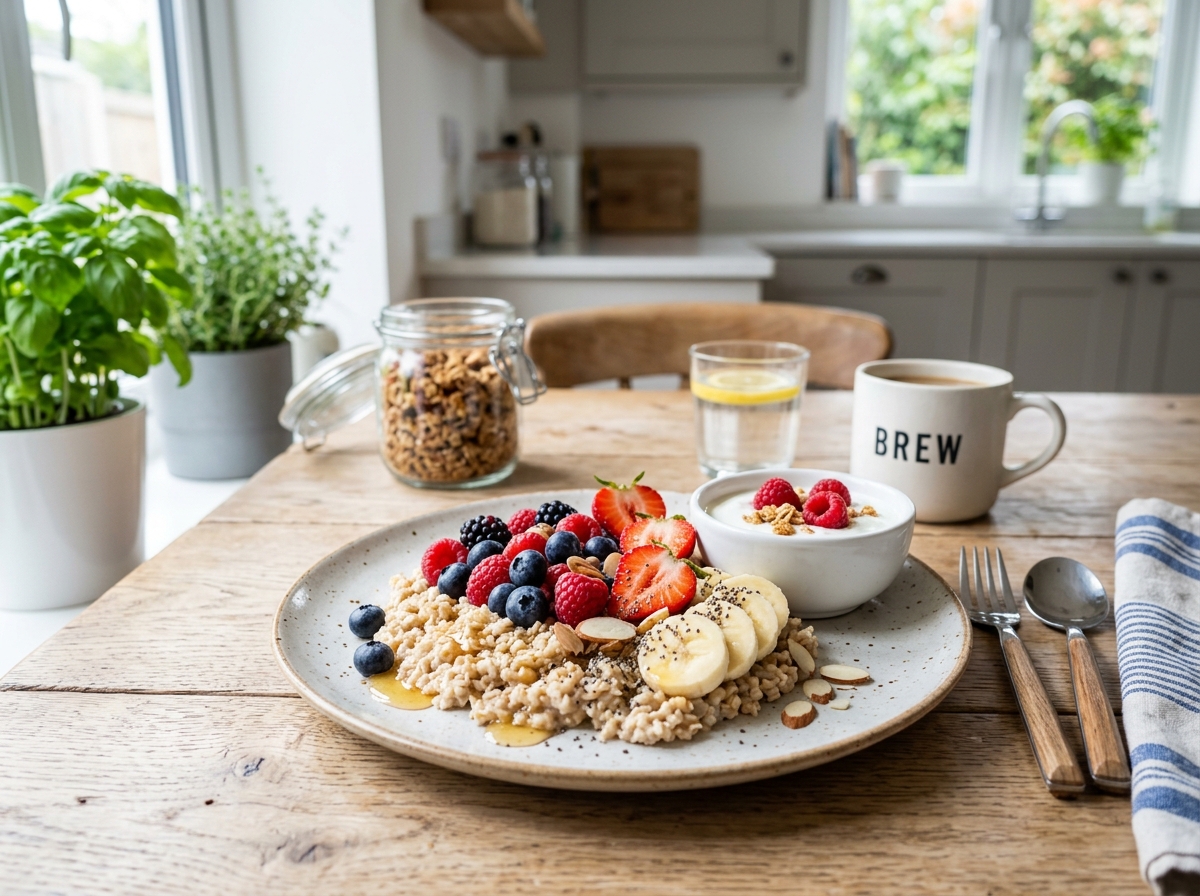
Timing is everything. If you eat a heavy meal 30 minutes before a match, your body will spend its energy on digestion rather than your vertical jump. We recommend a 2-3 hour meal window before you step onto the court. This gives your stomach enough time to process the food so you feel light but energized.
For a pre-tournament breakfast, you should aim for at least 25 grams of carbohydrates and 20 grams of protein. This combination ensures you have glucose ready for your muscles and amino acids ready to protect them. If you need a quicker boost closer to game time, check out these pre-workout snack ideas for easily digestible options.
Breakfast: The Foundation of Your Beach Volleyball Meal Plan
Don’t skip breakfast! It is the most important meal for an athlete, preventing muscle breakdown and setting the tone for the day. Here are some “Sand Superstar” favorites:
- Overnight Oats: Mix rolled oats with almond milk, chia seeds, and a scoop of protein powder. Top with berries for antioxidants. It’s easy to pack in a cooler!
- Egg Scramble: Two or three eggs with spinach and peppers, served with a side of whole-grain toast or a corn tortilla.
- Greek Yogurt Power Bowl: High-protein Greek yogurt topped with granola and honey for quick-releasing energy.
- Whole-Grain Toast with Avocado: Add a poached egg on top for a perfect balance of healthy fats, carbs, and protein. For more inspiration, see our easy breakfast ideas for fitness.
Tournament Day Snacks and Mid-Match Fueling
During a tournament, you might play three or four matches in a single day. You can’t eat a full lunch between every game, or you’ll feel sluggish. Instead, focus on “grazing” on healthy snacks for fitness every two to three hours.
- Bananas: The ultimate volleyball snack. They provide quick carbs and potassium to help prevent cramps.
- Energy Bars/Balls: Look for bars with simple ingredients like dates, nuts, and oats.
- Rice Bowls or Turkey Wraps: If you have a longer break (90+ minutes), a small turkey and avocado wrap or a simple chicken and rice bowl can provide more sustained fuel.
- Simple Sugars: In the final sets of a long day, a small handful of dried fruit or an energy gel can provide the “emergency fuel” needed to finish strong.
Practical Planning for Multi-Day Events
Success on the beach requires being a “Meal Prep Pro.” When traveling for tournaments, we suggest packing a cooler. Relying on boardwalk fries or concession stand hot dogs is a recipe for a performance crash.
- Meal Prepping: Cook your grains (quinoa/rice) and proteins (chicken/tofu) in bulk on Friday night. Use our meal prep guide to streamline this.
- Cooler Essentials: Pack pre-cut fruit, yogurt cups, deli turkey, and plenty of water.
- Junior Athlete Fueling: For younger players, consistent fueling is even more critical to prevent Relative Energy Deficiency in Sport (RED-S), a condition where the body doesn’t have enough energy to support both athletic performance and basic growth. Encourage junior athletes to eat every 2-3 hours, even if they don’t feel “hungry” yet. Our simple meal plans for beginners can help families get started.
Recovery and Hydration Strategies for the Sand

The match isn’t over when the final whistle blows—it’s over when you’ve refueled. You must eat within the first two hours after a workout to facilitate muscle cell repair, though the “golden window” is actually the first 30-60 minutes. This is when your muscles are most like a sponge, ready to soak up nutrients.
According to expert guides on volleyball nutrition, your post-match goal is to stop muscle breakdown and start the rebuilding process. A healthy post-workout smoothie with fruit and whey protein is an excellent way to start this immediately while you’re still at the beach.
Post-Match Recovery in Your Beach Volleyball Meal Plan
Once you get home or back to the hotel, sit down for a real meal. Your plate should ideally be 1/2 veggies, 1/4 protein, and 1/4 carbohydrates.
- Protein-to-Carb Ratio: Aim for a 3:1 or 4:1 ratio of carbohydrates to protein to maximize glycogen replenishment.
- Grilled Salmon & Quinoa: Salmon provides Omega-3s to fight inflammation, while quinoa offers complex carbs and fiber.
- Sweet Potatoes: These are a recovery “superfood” for volleyball players because they are rich in Vitamin A and potassium.
- Tryptophan-Rich Proteins: For dinner, choose chicken, turkey, or fish. These contain tryptophan, which helps produce serotonin and melatonin, ensuring you get the deep sleep needed for muscle repair. Explore more foods for muscle recovery here.
Hydration and Preventing Muscle Cramps
Dehydration is the silent enemy of the beach volleyball player. By the time you feel thirsty, you are already about 2% dehydrated, which can decrease your performance by up to 20%.
The Proactive Hydration Strategy:
- The Day Before: Drink consistently. A general rule is to divide your body weight (in lbs) by two and drink that many ounces of water daily.
- Pre-Match: Drink around 500ml of water two hours before your first match.
- During the Game: Sip water or electrolytes every time you switch sides.
- Post-Match: For every pound of weight lost during play (mostly sweat), drink 16-24 ounces of fluid.
Hydration Comparison Table:
| Drink Type | Best Used For | Key Benefits |
|---|---|---|
| Water | Daily baseline & short matches | Hydration without calories or sugar |
| Sports Drinks | Long matches (60+ min) | Replenishes glucose and electrolytes |
| Coconut Water | Recovery & light activity | High in potassium; natural hydration |
| Electrolyte Tabs | High heat & heavy sweaters | Concentrated minerals without the sugar |
To prevent muscle cramps, look for the “white ring” of salt on your hat or jersey. If you see it, you are a “salty sweater” and need to be even more aggressive with your electrolyte replacement.
Frequently Asked Questions about Beach Volleyball Nutrition

What foods should I avoid before a beach volleyball match?
To keep your energy high and your stomach settled, stay away from:
- High-Fat Foods: Deep-fried foods or heavy cream sauces take too long to digest and can make you feel “heavy” in the sand.
- Spicy Meals: These can cause acid reflux or stomach distress during intense movement.
- Excessive Caffeine: While a little coffee can help, too much can lead to jitters and dehydration. Caffeine has a half-life of 4-6 hours!
- Sugary Sodas: These lead to a quick energy spike followed by a devastating “sugar crash” mid-match.
- Heavy Dairy: Some athletes find that milk or heavy cheese causes bloating and discomfort when playing in the heat. Instead, focus on nutrition tips for weight loss and performance that prioritize clean, whole foods.
How can I prevent muscle cramps during long tournament days?
Cramps are often caused by a combination of muscle fatigue and electrolyte imbalance. Beyond proactive hydration, ensure you are getting enough magnesium (around 200mg) and potassium. Stretching between matches and using a foam roller at the end of the day can also help reset the nervous system. If you’re playing in extreme heat, adding a pinch of sea salt to your water or eating a pickle can provide immediate sodium replacement.
Are supplements like creatine necessary for beach volleyball?
They aren’t “necessary,” but they are helpful tools. Creatine is excellent for the explosive power needed for blocking and spiking. However, for junior athletes, we always recommend focusing on whole foods first. Supplements should never replace a solid meal. If you’re looking for natural ways to stay energized, check out these foods that boost energy for exercise.
Conclusion
At Lar Confortavel, we believe that becoming a “Sand Superstar” is about more than just what you do on the court; it’s about how you treat your body off of it. A consistent beach volleyball meal plan is your secret weapon for staying strong when your opponents are wilting in the sun.
By focusing on nutrient utilization, staying ahead of your hydration, and embracing a performance mindset, you can ensure that you always have “fuel in the tank” for that final set. Remember to listen to your body—intuitive eating and proper recovery are the keys to long-term wellness in this demanding sport.
Ready to take your game to the next level? Explore our workout routines to pair your new nutrition plan with the best training strategies for the sand!
