
Why Cold Meal Prep Lunches Are a Game-Changer for Busy, Active People
Cold meal prep lunches are ready-to-eat meals you prepare in advance and enjoy straight from the fridge — no microwave, no reheating, no waiting in line.
Here are some of the best options to get you started:
- Mason jar salads — layer dressing at the bottom, greens on top to stay crisp
- Grain bowls — quinoa, farro, or orzo with protein and veggies
- Wraps and pinwheels — turkey, chicken, or chickpea fillings rolled tight
- Bento boxes — protein, produce, and healthy fats in one container
- Cold noodle bowls — sesame soba or peanut udon, served chilled
- Stuffed avocados and lettuce cups — light, low-carb, and portable
Picture this: it’s your lunch break, you’ve just finished a hard morning workout, and you’re starving. The microwave line stretches around the corner. Someone just nuked fish. Again.
Cold meal prep solves all of that.
Whether you’re fueling intense training sessions or just need a reliable midday meal that won’t leave you sluggish by 3 p.m., no-reheat lunches are one of the smartest habits you can build. According to FDA guidelines, fully cooked food stored in the fridge is perfectly safe to eat cold for up to four days — meaning you can prep on Sunday and eat well all week.
The best part? Many cold dishes actually taste better as the flavors meld together over time.

Why You Should Switch to Cold Meal Prep Lunches
We have all been there: standing fourth in line for the office microwave, watching the precious minutes of our break tick away while a coworker thaws a frozen lasagna that requires ten minutes of “high power.” Switching to cold meal prep lunches isn’t just about avoiding the “fish-scented microwave” drama; it’s a strategic move for your health, your schedule, and your wallet.
The “No-Wait” Advantage
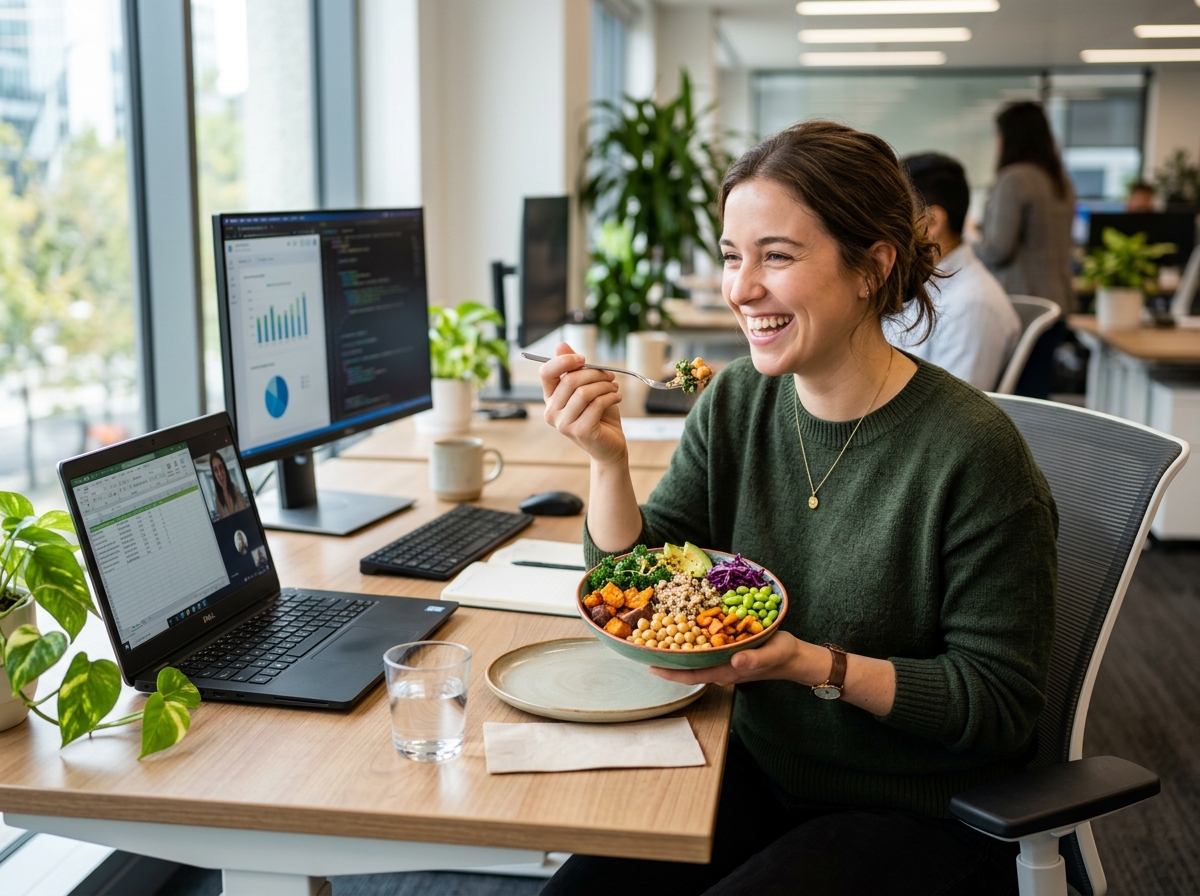
When your lunch is designed to be eaten cold, your break starts the second you sit down. This is especially vital if you are following simple meal plans for fitness beginners, where consistency is key. You don’t need a stovetop or a microwave to enjoy a gourmet meal. Whether you are on the road, at a desk, or outdoors, your food is ready when you are.
Beating the Heat and Preserving Nutrients
During the sweltering summer months, the last thing most of us want is a steaming bowl of soup or a heavy, hot pasta dish. Cold lunches like 12 Cold Meal Prep Lunches offer a refreshing alternative that keeps your body temperature down. Furthermore, many cold preparations—specifically raw salads and lightly blanched veggies—retain more heat-sensitive vitamins (like Vitamin C and B vitamins) that can be degraded during the reheating process.
Flavor Melding
Have you ever noticed that pasta salad or a dense bean salad tastes significantly better on day two? This is because cold storage allows the acidity of dressings, the aromatics of herbs, and the spices in your proteins to penetrate the ingredients more deeply. Instead of a soggy reheated mess, you get a “carnival of textures” and flavors that have actually improved since you cooked them.
High-Protein Cold Meal Prep Lunches for Fitness
For those of us focusing on meal prep for home workouts, protein is the non-negotiable building block. You might think “cold protein” starts and ends with deli turkey, but the possibilities are vast:
- Rotisserie Chicken: The ultimate meal prep hack. Shred it while it’s warm, let it cool, and toss it into 16 Make-Ahead Cold Lunch Ideas to Prep for Work This Week.
- Chickpea “Tuna”: A fantastic vegan alternative that hits all the savory notes of tuna without the office-clearing aroma.
- Hard-Boiled Eggs: A portable protein powerhouse. Pro tip: Store them in their shells until you’re ready to eat to keep them at peak freshness.
- Quinoa and Farro: These ancient grains provide a protein-rich base for Greek Chicken Grain Bowls.
- Greek Yogurt Dressings: Swap mayo for Greek yogurt in your chicken or egg salads to boost protein while keeping things creamy and tart.
Budget-Friendly Cold Meal Prep Lunches
One of the biggest myths is that eating healthy, fresh food is expensive. In reality, cold meal prepping is incredibly cost-effective. Research shows that an Orzo Salad Meal Prep can cost as little as $3.11 per serving, with many other vegetarian options dipping below the $2.00 mark.
By focusing on seasonal produce, canned beans, and bulk-bought pasta or grains, you can significantly lower your weekly food spend. Batch cooking a single large pot of pasta or a tray of roasted sweet potatoes on Sunday provides the foundation for four days of varied lunches, preventing the “emergency” $15 takeout run on Wednesday afternoon.
Essential Food Safety and Sogginess Prevention
To truly master cold meal prep lunches, we need to talk about the two biggest enemies: bacteria and sogginess. No one wants a lunch that makes them sick, and no one wants to eat a sandwich that has the consistency of a wet sponge.
The Golden Rules of Food Safety
According to the FDA, leaving food at room temperature for longer than 2 hours significantly increases the risk of foodborne illness. If you don’t have a fridge at work, an insulated lunch bag with a high-quality ice pack is a must.
The “4-Day Rule” is your other best friend. While some items might look okay on day six, it is perfectly safe to eat fully cooked food stored in the fridge for up to four days. After that, the risk increases. If you’re unsure, remember: heat kills bacteria, but since we are eating these cold, we must prioritize freshness and proper cooling.
How to Prevent the “Soggy Factor”
Sogginess happens when moisture migrates from wet ingredients (like tomatoes or dressing) to dry ones (like bread or greens). Here is how we fight back:
- The Layering Technique: In a Mason jar or tall container, always put the dressing at the very bottom. Follow with “hard” veggies like chickpeas, cucumbers, or carrots. Place your proteins in the middle, and keep your delicate greens or grains at the very top.
- Moisture Barriers: When making wraps or sandwiches, use a layer of sliced cheese or a thin coating of butter/cream cheese on the bread. This acts as a waterproof seal against juicy fillings like tomatoes.
- Toasting Bread: Lightly toasting your bread before assembly can help it maintain structural integrity against humidity in the fridge.
- Brining Chicken: To keep cold chicken from becoming “rubbery” or dry, try brining it in a simple salt and sugar solution before cooking. This changes the chicken on a cellular level, helping it retain moisture even when chilled.
- Separate Containers: When in doubt, keep it separate. Use small silicone cups or dedicated dressing containers to keep sauces away from the main event until the moment you eat.
Top Categories for No-Heat Midday Meals
Variety is the spice of life—and the secret to sticking to a meal prep routine. If you rotate through these categories, you’ll never feel like you’re eating the “same old thing.”
| Category | Best For | Pro Tip |
|---|---|---|
| Mason Jar Salads | Leafy greens and layered veggies | Keep the jar upright until you’re ready to shake and eat. |
| Bento Boxes | “Adult Lunchables” and snack-style meals | Use silicone muffin liners to separate grapes from crackers. |
| Grain Bowls | Filling, high-fiber, and high-protein meals | Use farro or barley; they don’t get mushy like white rice can. |
| Pinwheel Wraps | Easy-to-grab finger foods | Roll tightly in plastic wrap and slice just before packing. |
| Cold Noodle Bowls | Asian-inspired flavors and textures | Rinse noodles in cold water immediately after boiling to stop the starch from sticking. |
Adult Lunchables
Skip the processed kits from the grocery store. Create your own high-quality bento boxes with deli-style turkey, sharp cheddar cubes, almonds, and sliced apples. It’s nostalgic, fun, and far more nutritious.
Stuffed Avocados and Pita Pockets
For a low-carb treat, stuff a halved avocado with tuna or crab salad. If you prefer a bit more substance, Greek Salad Pita Pockets with Grilled Chicken are excellent, provided you store the pita separately and stuff it right before eating to avoid a soggy bottom.
Creative Recipes to Elevate Your Weekly Routine
Let’s move beyond the basic sandwich. Cold lunches can be a “carnival of textures” if you get creative with your ingredients.
The Ultimate Cobb Salad Meal Prep
A Cobb Salad Meal Prep is a powerhouse of flavor. By using the layering technique—dressing at the bottom, then chickpeas, tomatoes, chicken, hard-boiled eggs, bacon, and finally greens—you can keep this salad fresh for up to four days. We recommend using an avocado-based dressing instead of fresh avocado to prevent that unappealing browning.
Sesame Soba Noodle Bowls
Soba noodles (made from buckwheat) are delicious when served cold. Toss them with a spicy peanut or almond butter sauce, edamame, shredded carrots, and sliced scallions. This is a great way to incorporate healthy snack ideas for fitness into a full meal by adding nuts and seeds for extra crunch.
Turkey Ranch Club Wraps
Take a large flour or whole-wheat tortilla and layer it with ranch-seasoned cream cheese, turkey, crispy bacon, and spinach. Roll it tight! These hold up beautifully in the fridge and are much more satisfying than a standard deli sandwich. For more inspiration, check out Easy Meal Prep Cold Lunches for Work.
Thai Summer Rolls
If you want something light and vibrant, try shrimp or tofu summer rolls wrapped in rice paper. Pack them with fresh mint, cilantro, and vermicelli noodles. Just be sure to wrap them in a damp paper towel within your container to keep the rice paper from drying out and becoming brittle.
Essential Tools for Successful Cold Meal Prepping
Having the right gear makes the process of preparing cold meal prep lunches much smoother. You don’t need a professional kitchen, but a few specific items will change your life.
Glass Meal Prep Containers
While plastic is lighter, glass is superior for cold prep. It doesn’t retain odors (no one wants their fruit tasting like last week’s onions), it’s easier to clean, and it keeps food colder for longer. Look for containers with snap-locking lids and airtight silicone seals.
3-Section Bento Boxes
These are perfect for keeping your proteins, carbs, and fats separated. If you’re preparing a pre-workout snack ideas at home to eat alongside your lunch, these sections keep your berries from making your crackers soggy.
Silicone Muffin Liners
Don’t buy expensive specialized containers; just use silicone muffin liners inside your larger glass boxes. They act as flexible dividers for nuts, seeds, hummus, or small portions of fruit.
Mason Jars
Specifically, wide-mouth quart jars. These are the gold standard for salads. The vertical space is what allows the layering technique to work so effectively.
Insulated Lunch Bags
If your commute is long or your office fridge is unreliable (or nonexistent), a high-quality insulated bag is your insurance policy against the 2-hour food safety rule.
Frequently Asked Questions about Cold Meal Prep
How do I keep my cold lunches from getting soggy?
The secret is moisture management. Always separate your “wet” and “dry” ingredients. Use the layering technique for salads (dressing at the bottom), and for sandwiches or wraps, consider packing the bread and the fillings separately to be assembled at your desk. Also, ensure your greens are bone-dry after washing; even a little water can turn a salad into a swamp by day three.
How long can I safely store cold meal prep in the fridge?
The general consensus for healthy meals for fitness enthusiasts is four days. While some components like grains and hearty veggies can last longer, proteins like chicken, fish, or eggs should be consumed within that 96-hour window for optimal safety and flavor.
What are the best proteins to eat cold?
Not all proteins are created equal when chilled. Brined chicken breast, smoked salmon, and hard-boiled eggs are top-tier. Plant-based options like chickpeas, edamame, and marinated tofu are also fantastic because their texture doesn’t change significantly when cold. Avoid fatty cuts of beef or pork, as the fat can congeal into an unappealing texture when refrigerated.
Conclusion
Embracing cold meal prep lunches is more than just a convenience; it’s a commitment to your long-term health and productivity. By removing the barriers of long microwave lines and uninspired “grab-and-go” grocery store options, we empower ourselves to eat better, save money, and stay fueled for our busy lives.
At Lar Confortavel, we believe that a healthy lifestyle should be as comfortable and accessible as possible. Whether you are just starting out or are a seasoned athlete, these no-reheat recipes provide the variety and nutrition you need to stay on track. Ready to take the next step in your wellness journey? Start your fitness journey today and discover how simple, consistent habits can transform your life. Happy prepping!
